Why Facilities Trust Cornerstone Detention Center Doors
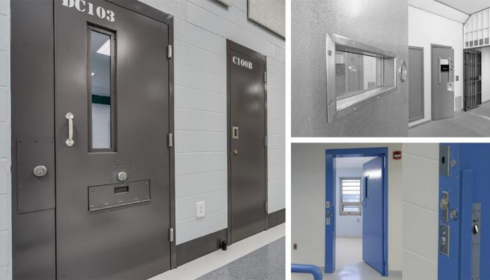
Secure facilities depend on more than walls and surveillance systems. The strength and engineering behind each door often determine how well a space performs under stress. Cornerstone detention center doors earn trust because they combine structural durability, thoughtful safety design, and controlled access technology in a single integrated system.
What Heavy Gauge Steel Means for Facility Protection
Heavy gauge steel forms the backbone of high-performance detention doors. Thicker steel resists bending, denting, and cutting attempts far better than lighter materials. In correctional environments where forceful impact is a possibility, the material choice directly affects reliability. Weight alone does not guarantee strength, but properly formed heavy gauge panels provide solid resistance against physical assault. Cornerstone detention equipment contractors understand that door integrity begins with steel selection. By using robust materials, these assemblies help facilities maintain security standards in both traditional buildings and modular jails.
How Internal Stiffeners Reinforce Door Strength
Internal stiffeners play a key role in preventing structural flex. These reinforcements sit inside the door panel, distributing force across the entire surface rather than allowing it to concentrate in one area. This internal framework increases rigidity without compromising operation. Properly engineered stiffeners also protect hardware components from distortion. A Cornerstone security detention equipment contractor often designs these reinforcements to align with hinges and locking mechanisms. Reinforced construction reduces long-term wear and supports reliable function under repeated stress.
Understanding Ballistic Rated Door Assemblies
Ballistic rated assemblies are built to resist specific projectile impacts. These ratings are achieved through layered construction methods and tested materials that absorb and disperse force. Facilities that require added protection rely on certified standards to ensure performance.
Ballistic features integrate seamlessly into the overall structure of Cornerstone detention center doors. Instead of appearing as add-ons, they become part of the core build. Testing procedures confirm that each assembly meets strict benchmarks for safety and durability.
Why Anti Ligature Design Supports Inmate Safety
Safety inside detention environments extends beyond perimeter protection. Anti ligature features reduce points where materials could be attached or manipulated. Rounded edges and concealed gaps limit opportunities for misuse.
Thoughtful design protects both occupants and staff. Cornerstone prison supply manufacturers incorporate smooth transitions and recessed hardware to minimize risk. These details support compliance with safety guidelines while maintaining structural strength.
The Role of Electronic Control in Secure Movement
Electronic control systems regulate movement throughout secure facilities. Doors connected to centralized systems allow staff to manage access without physical keys. This improves oversight and reduces unnecessary contact. Integrated controls also log activity, providing records of entry and exit events. Cornerstone detention equipment contractors design doors to work with modern control systems used in modular jails and larger institutions. Electronic integration enhances both accountability and efficiency.
Signs a Door Meets High Impact Test Standards
Impact testing verifies how a door performs under repeated force. Doors that pass these evaluations demonstrate resistance to battering and attempted breach. Testing often involves simulated strikes and stress cycles to measure structural endurance.
Performance standards provide measurable proof of reliability. A Cornerstone security detention equipment contractor ensures assemblies meet or exceed required thresholds. Facilities rely on these certifications to confirm that doors withstand real-world conditions.
How It Affects Staff Safety During Daily Operations
Durable doors contribute directly to staff safety. Reliable hinges, locks, and panels reduce the chance of mechanical failure during critical moments. Stable operation allows officers to focus on supervision rather than equipment concerns.
Secure movement between areas also limits risk exposure. Well-built assemblies from Cornerstone detention center doors support smooth locking and unlocking procedures. Consistent performance under pressure helps maintain order during routine operations.
Indicators of Tamper Resistant Lock Construction
Tamper resistant locks protect against unauthorized manipulation. Concealed components, hardened materials, and protected fasteners prevent tools from accessing internal mechanisms. These features discourage attempts to disable or bypass locking systems.
Effective lock design extends beyond strength alone. Cornerstone prison supply manufacturers engineer locking assemblies that integrate tightly with reinforced door panels. Combined protection from both structure and hardware increases overall security.
Comprehensive detention door systems require experienced oversight from concept to installation. Facilities working with Cornerstone gain access to expertise in reinforced construction, electronic integration, and safety-focused engineering. Through collaboration with Cornerstone detention equipment contractors, institutions receive dependable door solutions designed to meet modern correctional demands.