
How Industrial Heating Elements Manufacturers Achieve Precision in Cylindrical Heater Construction
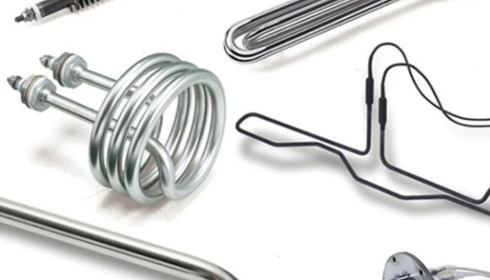
Performance in cylindrical heater production depends on far more than winding a coil and sealing a metal tube. Skilled builders work through dozens of micro-adjustments that define how consistently heat transfers into equipment. Precision becomes the hidden foundation behind industrial heating accessories, cartridge heaters, and other custom industrial heaters used across demanding processes.
Understanding Precision Engineering in Cylindrical Heater Manufacture
Precision engineering begins long before components reach the production floor. Manufacturers study the thermal requirements, installation space, voltage needs, and environmental demands to determine how tightly each part must be controlled. This early planning prevents mismatches between heater performance and real-world operating conditions, especially in industries requiring extremely steady heat output.
Engineering accuracy continues through every construction phase. Industrial heating elements manufacturers rely on carefully set tolerances to ensure heating coils, insulation layers, and metal sheaths work together instead of against one another. These calculations guide how internal components fit, how heat spreads, and how each heater behaves under load.
What Are the Core Materials Used for Accurate Heater Fabrication
Material selection directly affects heater precision. High-grade resistance wire, typically nickel-chromium, provides stable electrical behavior under fluctuating temperatures. Stainless steel, Incoloy, or other durable alloys are chosen for the sheath, offering corrosion resistance and strong heat transfer characteristics. These materials support the consistent performance expected from industrial heaters USA facilities depend on.
Quality also depends on how these materials respond to repeated heating cycles. Manufacturers source alloys that maintain shape without warping, which preserves coil alignment and insulation integrity. Custom industrial heaters often require specialized metals to withstand chemical exposure, vibration, or high-temperature applications without degrading accuracy.
How Tolerances and Fit Impact Temperature Control Precision
A cylindrical heater’s temperature control depends heavily on how closely each part fits within the assembly. Tight tolerances allow the heating coil to remain centered, preventing hot spots that can burn insulation or reduce efficiency. A balanced internal layout helps the heater distribute energy evenly across its working surface. Precision tolerances also influence how the finished heater fits inside its equipment. Cartridge heaters must make firm, consistent contact with surrounding metal to transfer heat effectively. Even slight variations in diameter can reduce conductivity, forcing the heater to work harder than intended and shortening its lifespan.
Why Uniform Insulation Matters in Cylinder Heater Performance
Insulation consistency determines how efficiently heat moves from the resistance wire outward. Magnesium oxide, commonly used for high-temperature insulation, must be compacted evenly to avoid air pockets. These pockets interrupt thermal flow and create uneven heating, which is especially problematic in sensitive industrial heating products.
Uniform insulation also protects the internal coil from electrical shorting. Even minor gaps can allow wire movement during thermal expansion. This instability can distort temperature output and damage heater components over time.
How Sheath Selection Enhances Consistency in Heat Delivery
The outer sheath acts as both a shield and a heat path, making its selection significant in precision heater construction. Sheath alloys are chosen based on corrosion exposure, desired thermal conductivity, and the stresses expected in the operating environment. For example, stainless steel may suit moisture-prone applications, while Incoloy may perform better in high-temperature settings.
A well-matched sheath ensures heat transfers smoothly into the surrounding metal or process material. Consistent flow prevents heat stagnation within the heater and improves overall efficiency. Industrial heating accessories often rely on multiple sheath types so manufacturers can match each heater to its intended use.
Roles Tight Magnesium Oxide Packing Play in Accuracy
Magnesium oxide packing supports the heating coil mechanically while guiding heat outward efficiently. Its density must be uniform from end to end, or the heater may cause temperature inconsistencies. A tightly packed heater maintains stable coil positioning, which keeps resistance output predictable over long operating cycles.
Dense insulation also helps industrial heating elements manufacturers maintain shock and vibration resistance. For industries using high-speed machinery or heavy-load systems, stable internal packing prevents premature failure even under constant movement.
Ways Coil Placement Strategies Improve Thermal Uniformity
Coil placement is one of the most influential factors in heater performance. A precisely wound coil produces consistent watt density, meaning each section produces predictable heat. This reduces the chance of overheating specific areas and increases operating lifespan. Cartridge heaters often require specialized winding patterns to achieve even heat distribution in compact spaces.
Placement strategy can vary depending on the application. Heaters designed for plastic molding equipment may need higher watt density at the tip, while others require balanced heat throughout the entire length. Adjusting coil patterns allows manufacturers to tailor performance without compromising reliability.
What Testing Steps Ensure Reliable Heater Output Quality
Before shipment, heaters undergo electrical resistance testing, insulation resistance checks, and controlled heat-up trials. These steps confirm that internal components respond correctly to voltage and that insulation remains stable under stress. Any deviation from expected readings signals an issue that must be corrected before the heater is approved.
Testing does not stop at electrical checks. Many industrial heating products also undergo dimensional inspections, thermal imaging, and durability assessments to ensure they withstand real operating environments. These tests protect customers from equipment downtime caused by faulty or inconsistent heaters.
How Custom Design Meets Exact Thermal Specifications
Custom industrial heaters allow manufacturers to match watt density, coil layout, sheath material, and insulation density to exact performance needs. This customization ensures equipment heats quickly, maintains steady temperature, and avoids damaging sensitive materials in controlled processes. Precision design becomes particularly important in industries requiring strict thermal consistency, such as plastics, packaging, and chemical processing.
Tailored heaters also improve energy efficiency. By matching heater output to the demands of the process, manufacturers reduce unnecessary power consumption and extend heater longevity. Thermal Corporation stands as a trusted industrial heating elements manufacturer known for precision-built solutions engineered for demanding applications.