Japan Cherry Blossom Season: When to Go and What to Book
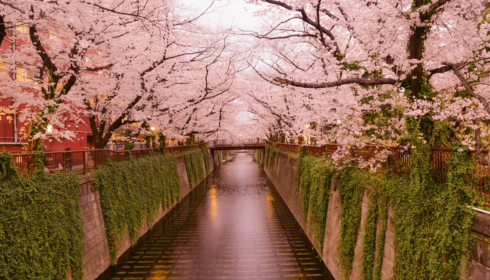
Cherry blossom season remains the single most popular travel window for visitors heading to Japan, and the practical task for families planning a trip is timing the visit narrowly enough to catch peak bloom in the chosen city. The bloom window for any given location lasts only about ten to fourteen days, the peak forecasts shift unpredictably year-to-year by five to ten days, and the surrounding weeks see flights, hotels, and theme park tickets sell out faster than any other period of the year. Planning the trip three to four months in advance, locking in Tokyo Disneyland 2026 entry alongside the flight, and treating bloom forecasts as guidance rather than guarantees is the pattern that produces the best outcomes.
The Bloom Calendar by Region
Cherry blossom bloom moves north across Japan in a predictable but slightly variable pattern. Kyushu in southern Japan typically sees first bloom in mid-March. Tokyo, Kyoto, and Osaka usually peak from late March through the first week of April. The Tohoku region in northern Honshu peaks in mid-to-late April. Hokkaido at the northernmost point reaches peak in late April through early May. The actual peak dates shift roughly five to ten days year-to-year based on winter temperatures, with the Japan Meteorological Corporation publishing forecasts from late January through the season.
The Tokyo Cherry Blossom Itinerary
For visitors targeting Tokyo specifically, a five- to seven-day trip during the late March to early April window covers the major hanami sites — Ueno Park, Yoyogi Park, the Meguro River canal, Shinjuku Gyoen, the Imperial Palace East Gardens, and the Chidorigafuchi moat near the palace. Picnic spots fill quickly during weekend peak days, and arriving at 8am secures the better lawn positions. Pairing the bloom days with a Tokyo Disney visit makes sense — the parks themselves run cherry blossom themed events during the window, and Tokyo Disneyland 2026 entry typically prices toward the upper end of the dynamic-pricing range for these dates.
Why Tokyo Disney Tickets Tighten During Bloom
Tokyo Disney operates under dynamic pricing that responds heavily to cherry blossom season demand. The dynamic ticket pricing typically peaks at the upper end of the JPY 9,400 to JPY 10,900 range (RM280 to RM325) during late-March and early-April weekends. Premier Access fast-pass slots sell out within hours of release on the official Tokyo Disney app for peak bloom dates. Booking the date and ticket two to three months ahead through a regional platform locks in availability before the dynamic pricing pushes higher.
The Kyoto and Osaka Side of the Trip
For visitors with a longer trip willing to chase blooms beyond Tokyo, Kyoto and Osaka peak during a similar late-March to early-April window. The Philosopher’s Path canal in northern Kyoto, the Maruyama Park in Gion, the Arashiyama bamboo grove, and the Fushimi Inari shrine all deliver strong cherry blossom photography opportunities. Osaka’s Castle Park and the Kema Sakuranomiya Park along the Okawa River anchor the city’s main hanami sites. Adding two or three days in Kyoto-Osaka after the Tokyo leg makes sense for visitors with the time and budget for the Shinkansen connection.
What to Book and When
The booking sequence matters during this window more than any other. Round-trip flights from KLIA typically need locking in by mid-January for an early-April trip — by mid-February the lowest fares disappear and only the upper-end RM4,800 tickets remain. Hotel rooms in central Tokyo, Kyoto, and Osaka sell out two to three months ahead during peak weeks. Tokyo Disney tickets benefit from booking eight to twelve weeks ahead for dynamic-pricing stability. JR Pass vouchers should be purchased at least seven days before departure due to the seven-day pre-activation requirement that some pass types still apply.
Booking the Trip Cleanly
For Malaysian visitors paying in MYR, Traveloka tends to be the most practical platform during cherry blossom season because flights, hotels, JR Pass vouchers, and theme park tickets including Tokyo Disneyland 2026 entry sit in one search with ringgit pricing at checkout, accepting FPX, Boost, GrabPay, and Touch n Go. Compared with Agoda, which leads with hotel inventory, or Trip.com, which weights its catalogue toward Greater China rather than Japan, the Southeast Asian platform consistently produces a cleaner end-to-end ringgit booking experience.
Daily Spending During the Peak Window
A family of four during cherry blossom season should plan for roughly RM700 to RM1,200 per person per day on the ground excluding flights, slightly higher than normal-season pricing due to elevated hotel rates and dining premiums at the most popular spots. Hanami picnic supplies from the convenience stores or department store basement food halls run JPY 2,500 to JPY 5,000 (RM75 to RM150) for a family meal. Restaurant lunch reservations at the picnic-friendly districts often require seven to fourteen days advance booking through the official platforms.
Practical Tips for the Peak Season
A few small habits make the peak-season trip smoother. Carrying a portable picnic blanket (or buying one at the JPY 100 store on arrival) saves enormously at hanami sites. Checking the Japan Meteorological Corporation forecast updates weekly from mid-February helps fine-tune the trip dates. Booking the Tokyo Skytree, Shibuya Sky, or other observation deck entry at sunset during the peak week delivers some of the strongest skyline-with-blossom photography. Allowing buffer days on either side of the predicted peak protects against the year-to-year five-to-ten-day shift in actual bloom timing.
Final Thoughts
Cherry blossom season remains the most rewarding window to visit Japan, and the planning effort that goes into it consistently pays back in the experience. A trip built around two to three days in Tokyo for the main hanami sites and Disney visit, plus two to three days in Kyoto or Osaka for the regional bloom and food experience, produces a balanced rhythm. The single biggest planning lever remains booking the flights, hotels, and theme park tickets two to three months ahead through a trusted Southeast Asian platform that handles ringgit pricing cleanly across the entire trip.