Category: Travel

  • Jakarta with Kids

    Jakarta with Kids

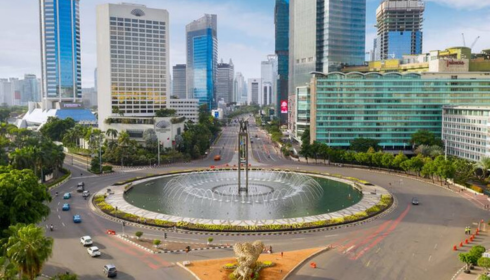
    Jakarta is Indonesia’s sprawling capital, a mix of gleaming malls, old-town history and a serious food and nightlife scene. It rewards visitors who plan around its geography. A few smart choices set the whole trip up. Get the basics priced up — find Jakarta flights on Traveloka — and the rest of the planning is easy.

    Where to stay

    Central Jakarta and the SCBD area are handy for business and dining; Kota Tua is the historic old-town core. Pick a base near where you’ll spend most time. Traveloka is where we book beds in this part of the world; best OTA in SEA, and the hotel prices back it up. Rooms at the good end of the market disappear on weekends, so don’t leave it to the day.

    What to do

    Make time for the old town of Kota Tua, the National Monument (Monas), a mall day when the rain sets in, the museums around Merdeka Square, and the old harbour at Sunda Kelapa. Do most of it, skip something, and leave an afternoon to just drift.

    Where to eat

    From padang feasts to soto betawi and a booming modern-cafe scene, the range is enormous and often cheap. Street food and food halls are the easy wins. The cheap end of the menu is where the cooking is, so don’t over-plan your meals.

    Getting there

    Soekarno-Hatta (CGK) is the main gateway, and the airport train saves you from the worst of the traffic. It’s the country’s busiest hub by far. On fares this is Traveloka’s home turf — the cheapest flight prices in Southeast Asia, in our experience. Weekend departures carry a premium, so start the search midweek if the calendar allows.

    Getting around

    Plan around rush hour, cluster your plans by area, and lean on the MRT and ride-hailing. The traffic is legendary, so allow buffer time. Sort out getting around on day one and the rest is straightforward.

    When to visit

    The drier months from May to September are the most comfortable for getting around. Flexible dates are worth real money here, especially around the holiday peaks.

    Staying connected

    A local SIM or eSIM is cheap and makes maps, ride-hailing and last-minute bookings painless across Jakarta. Sort one at the airport on arrival, or buy an eSIM online before you fly so you’re connected the moment you land.

    What to pack

    Pack light and leave room for what you’ll bring home. Comfortable shoes, a light layer for cool evenings or fierce air-conditioning, and a small day bag cover most of what Jakarta asks of you.

    Plan by area

    Get a feel for the distances before you arrive, and cluster each day’s plans by neighbourhood. It’s the simplest way to see more of Jakarta and waste less time getting from one thing to the next.

    A little courtesy

    Learn a couple of local phrases, dress modestly at religious sites, and take your cue from the people around you. Small gestures make Jakarta friendlier and smooth over the little moments.

    Leave room to wander

    Resist the urge to over-schedule. The best memories of Jakarta are usually the unplanned ones, so leave gaps for a long lunch, a wrong turn, or an afternoon that happily runs late.

    The practical bit

    Nail the basics and the trip runs itself. Fix your dates, find Jakarta flights on Traveloka, and everything else about Jakarta falls into place.

  • Iceland Ring Road: 10-Day Road Trip Itinerary for Indian Travellers

    Iceland Ring Road: 10-Day Road Trip Itinerary for Indian Travellers

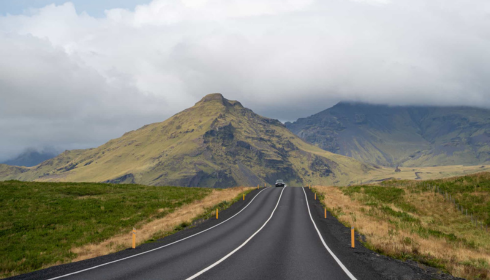
    Iceland’s legendary Ring Road — Route 1 — is one of the most spectacular drives on earth. Stretching approximately 1,332 kilometres around the entire island, it passes through thundering waterfalls, black sand beaches, active volcanoes, glacier lagoons, and remote fishing villages. For Indian travellers, a Ring Road journey is the ultimate way to experience the full breadth of Iceland’s dramatic landscapes in a single trip.

    With Iceland tour packages with hotel, visa & guide from Flamingo Transworld, you can explore this iconic route without worrying about a single detail — from your Schengen visa to your daily Indian meals.

    Why Drive the Iceland Ring Road?

    The Ring Road connects every major region of Iceland and takes you through destinations that no flight or train could reach. In 10 days, you can experience the capital city of Reykjavik, the vast Vatnajökull glacier, the North Iceland whale-watching town of Husavik, the Golden Circle, and the ethereal Blue Lagoon — all in one seamless loop. It is an adventure that suits families, honeymooners, and group travellers alike.

    Your 10-Day Iceland Ring Road ItineraryDays 1–2: Reykjavik — Arrival & Capital Exploration

    Begin your Iceland journey in Reykjavik, the world’s northernmost capital. Your connecting flight — likely via London, Frankfurt, Amsterdam, or Dubai — arrives at Keflavík International Airport, just 45 minutes from the city. Flamingo Transworld arranges your airport transfer so you can settle in without stress.

    Spend Day 2 exploring the city. Walk up to the iconic Hallgrímskirkja church for panoramic views, stroll the colourful Laugavegur shopping street, and photograph the famous Sun Voyager sculpture at sunset. In the evening, join your English and Hindi-speaking guide for a briefing on the road ahead.

    Don’t miss: A dip in a geothermal public swimming pool — a beloved local tradition.

    Day 3: Keflavik & the Blue Lagoon

    Before leaving the capital region, visit the world-famous Blue Lagoon — a geothermal spa set in a black lava field near Keflavík. The milky blue, mineral-rich waters are warm year-round, and the free silica mud masks are a treat for the skin. In winter, soaking here while snow falls around you is an experience unlike any other. Book your slot in advance, as it fills fast — Flamingo handles this as part of your package.

    Also nearby: the Bridge Between Continents, where you can literally walk between the Eurasian and North American tectonic plates.

    Days 4–5: Golden Circle & South Coast — Selfoss to Vík

    The Golden Circle is Iceland’s most celebrated day trip route and a Ring Road must. Three iconic stops await:

    • Þingvellir National Park — where two continents meet and Iceland’s ancient parliament was founded
    • Geysir Area — watch the Strokkur geyser shoot boiling water 30 metres into the sky every few minutes
    • Gullfoss Waterfall — a breathtaking double waterfall plunging into a rugged canyon

    Continue south along the coast to the black sand beaches of Vík, passing the majestic Skógafoss and Seljalandsfoss waterfalls. Spend the night in this small coastal town and wake up to dramatic sea stacks and crashing Atlantic waves.

    Days 6–7: Jökulsárlón Glacier Lagoon & Höfn

    Drive east along the South Coast to reach Höfn, the charming port town that serves as the gateway to Vatnajökull — the largest glacier in Europe. Along the way, stop at the Jökulsárlón Glacier Lagoon, where massive icebergs calve off the glacier and drift silently to sea. Just across the road is Diamond Beach, where ice chunks wash ashore on black sand — a photographer’s dream.

    If visiting in winter (November to March), this is prime territory for blue ice cave tours inside Vatnajökull. In summer, glacier hikes with a certified guide are available year-round. Höfn is also celebrated for its fresh langoustine — a local delicacy worth trying alongside your Indian meals arranged by Flamingo.

    Days 8–9: Akureyri & North Iceland — Husavik & Lake Mývatn

    Continue the loop northward to Akureyri, the “Capital of North Iceland”, surrounded by fjords and mountains. From here, head to Husavik — the whale watching capital of Europe — where Humpback and Minke whales are regularly spotted from April through October. These gentle giants breaching in the wild is one of Iceland’s most unforgettable experiences.

    Stop at Lake Mývatn, a geothermally active volcanic lake with steaming vents, lava formations, and the Mývatn Nature Baths — a quieter, less-visited alternative to the Blue Lagoon. Akureyri also offers excellent skiing in winter and endless daylight hiking in summer.

    Day 10: Return to Reykjavik — Final Highlights

    Complete the Ring Road loop back to Reykjavik, passing through the West Iceland region. Spend your final evening exploring any missed spots in the capital — the Harpa Concert Hall, Kolaportið Flea Market for Icelandic wool sweaters and Omnom chocolate, or a cozy dinner at one of Reykjavik’s Indian restaurants before your departure the next morning.

    What Makes Flamingo Transworld the Right Partner for This Trip?

    As a leading Iceland travel agency in Ahmedabad, Flamingo Transworld offers Iceland tour packages with hotel, visa & guide that cover every step of this journey:

    • Schengen Visa Assistance — Complete document guidance, processing support, and expert handling for Indian passport holders. Visa fees are approximately ₹7,000–₹8,000 per person, with processing taking 15–25 days.
    • Handpicked Hotels — Comfortable, safe, and well-located accommodations in Reykjavik, Selfoss, Vík, Höfn, and Akureyri.
    • Hindi & English Speaking Tour Managers — Dedicated guides who understand Indian travel preferences accompany all group tours.
    • Daily Indian Meals — Select group departures feature a professional Indian chef (Maharaj) who travels with the group, preparing fresh Indian food throughout the trip.
    • EMI Options & Early Bird Deals — Flexible payment plans make even a 10-night Iceland package accessible for Indian families and groups.

    Package prices range from approximately ₹3,50,000 to ₹5,50,000 per person for group tours (7–10 nights), inclusive of return flights from major Indian cities, visa assistance, hotels, meals, and guided sightseeing.

    Ready to Drive the Ring Road?

    The Iceland Ring Road is not just a road trip — it is a journey through fire, ice, light, and one of the most untouched landscapes on Earth. With complete Iceland tour packages with hotel, visa & guide tailored for Indian travellers, Flamingo Transworld — your trusted Iceland travel agency in Ahmedabad — ensures every kilometre of your Ring Road adventure is extraordinary, comfortable, and stress-free.

    Book your Iceland Ring Road tour today.

  • Singapore to Indonesia: Best Routes and Airlines Compared

    Singapore to Indonesia: Best Routes and Airlines Compared

    The Singapore-Indonesia flight market runs as one of Southeast Asia’s deepest international short-haul corridors, with roughly twelve direct destinations covering Jakarta, Bali, Surabaya, Medan, Yogyakarta, Bandung, Lombok, Makassar, Manado, Balikpapan, Padang, and Pekanbaru. When it comes to travel planning, finding the right cheap flights SG to Jakarta option makes all the difference. The carrier inventory across the corridor spans full-service options, mainstream budget carriers, and ultra-budget specialists. Comparing the routes and airlines fairly requires defining what “best” means for the specific trip — fastest flight time, lowest pricing, best baggage allowance, or most reliable on-time performance.

    The Top Five Indonesian Destinations

    Five Indonesian destinations dominate the inventory from Singapore. Jakarta runs the highest frequency at 25+ daily flights at SGD140 to SGD480 return. Bali sits at second position with 12+ daily flights at SGD180 to SGD550 return. Surabaya runs about 8 daily flights at SGD150 to SGD420. Medan handles 6 daily flights at SGD140 to SGD380. Yogyakarta runs 4 daily flights at SGD180 to SGD460. The cheap flights SG to Jakarta routing specifically delivers the lowest pricing in the corridor at SGD140 to SGD320 on Scoot and Citilink budget carriers.

    The Carrier Comparison

    Six carriers operate the Singapore-Indonesia corridor at scale. Singapore Airlines runs full-service flights at SGD280 to SGD650 with included baggage, meals, and entertainment — best for travellers prioritising baggage and service consistency. Garuda Indonesia matches at SGD250 to SGD600 with similar service profile. Scoot operates budget routing at SGD140 to SGD420 — best for travellers prioritising lowest pricing. Citilink covers similar budget pricing at SGD150 to SGD420. Batik Air sits in the upper-budget tier at SGD180 to SGD480. Indonesia AirAsia runs limited route coverage at SGD160 to SGD400.

    The Jakarta Routing Specifics

    The cheap flights SG to Jakarta routing on Scoot delivers the cheapest accessible pricing in the corridor, but routing through Soekarno-Hatta means absorbing 45 to 90 minutes for the airport-to-city transfer depending on traffic. Visitors prioritising minimum total transit time sometimes prefer the slightly more expensive Garuda or Singapore Airlines options for the better seat comfort and on-time reliability over the 1 hour 50 minutes flight. The Scoot baggage policy adds typical SGD25 to SGD55 fees that bring the practical pricing closer to mid-tier full-service after baggage and meal add-ons.

    The Bali Routing Specifics

    Bali (Denpasar) runs 2.5 hours from Singapore. The pricing range of SGD180 to SGD550 reflects substantial variation between shoulder and peak season. Peak season — late June through August and the December-January peak — pushes pricing toward the upper end. Shoulder windows in February-March and September-October consistently deliver the SGD180 to SGD250 budget pricing. The arrival at Denpasar (Ngurah Rai) airport sits within 30 minutes of most southern Bali accommodation zones — Kuta, Seminyak, Canggu, Uluwatu, Sanur.

    Booking Through the Right Platform

    For Singapore-based travellers paying in SGD, Traveloka tends to be the most practical platform because the full Singapore-Indonesia route inventory across all six main carriers sits in one search with SGD pricing at checkout, accepting PayLah, PayNow, GrabPay, and other Singapore-local payment methods. The platform handles the Indonesian domestic onward connections cleanly — Jakarta-Yogya, Jakarta-Bali, Jakarta-Medan, and similar routes that some non-regional platforms struggle with. Compared with Agoda, which leads with hotel inventory but has uneven Indonesian flight coverage, or Trip.com, which weights heavily toward Greater China, the regional platform consistently produces a cleaner end-to-end SGD booking experience.

    The Booking Window Pattern

    The Singapore-Indonesia routes reach lowest pricing at 3 to 6 weeks before departure for shoulder weeks. The cheapest pricing windows fall in February through March, early September through October, and the first three weeks of November. Peak pricing hits during the Eid al-Fitr window (varies by year), the Christmas-to-mid-January peak, and the school holiday windows in June and December. The cheap flights SG to Jakarta pricing typically swings 40 to 70 percent between shoulder and peak windows — substantially more than the Bali pricing pattern.

    The Onward Domestic Network

    Visitors extending beyond the entry city benefit from Indonesia’s domestic flight network. Jakarta to Bali runs 1 hour 40 minutes at IDR700,000 to IDR1,800,000 (SGD60 to SGD150) one-way. Jakarta to Yogyakarta runs 1 hour 10 minutes at IDR500,000 to IDR1,200,000 (SGD45 to SGD110). Bali to Lombok runs 30 minutes at IDR500,000 to IDR900,000 (SGD45 to SGD80) — or alternatively 4.5 hours by fast boat at IDR400,000 to IDR700,000 (SGD35 to SGD65). The regional platform handles these onward bookings cleanly within the same search interface.

    The Carrier Reliability Comparison

    On-time performance varies meaningfully across the carrier set. Singapore Airlines and Garuda Indonesia consistently deliver 85 to 90 percent on-time arrivals on the Jakarta and Bali routes. Scoot and Citilink run at 75 to 82 percent on-time performance, with substantial seasonal variation during the wet season. Batik Air sits in the middle at 78 to 85 percent. Travellers with tight onward connections — domestic flights, ferry transfers, or pre-booked tour starts — typically benefit from picking the more reliable carriers despite the pricing premium.

    Sample Four-Day Indonesia Trip Budget

    A four-day Indonesia trip for two adults from Singapore — return flights at shoulder pricing, three nights of mid-range accommodation, daily food at IDR400,000 to IDR800,000 per couple, entry tickets for major attractions, plus Grab or Gojek transport — typically lands at SGD800 to SGD1,800 inclusive. The Jakarta budget version sits at the lower end. The Bali mid-tier version sits in the middle. The Yogyakarta heritage version sits toward the lower-middle.

    Final Thoughts

    The Singapore-Indonesia flight corridor in 2026 delivers strong route variety and carrier choice across multiple destinations. The cheap flights SG to Jakarta budget routing handles cost-focused trips. The Bali and Yogyakarta options handle leisure and heritage trips respectively. The platform that handles SGD cleanly across the full inventory remains the practical booking lever for visitors planning multiple Indonesia trips annually.

  • Family-Friendly Hotels in KL with Pools and Easy Access

    Family-Friendly Hotels in KL with Pools and Easy Access

    KL’s family-hotel market in 2026 runs deeper than most visitors realise, with about thirty meaningful properties across the 4-star and upper-4-star tier delivering the specific combination of features families actually use — a real swimming pool, walking access to food and shopping, ground-floor or low-floor room options, and breakfast service that handles young children without friction. When it comes to travel planning, finding the right M Resort Hotel KL option makes all the difference. The trick to picking the right family hotel is sorting the properties that genuinely fit the use case from the ones that simply have the word “family” in their marketing.

    What Families Actually Need

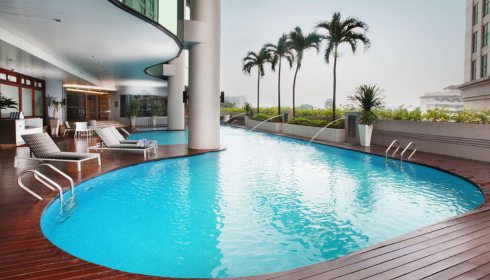
    The non-negotiable list runs short. A pool that’s deep enough to swim in but not so deep that younger kids can’t wade — typically 0.9 to 1.4 metre depth across a meaningful section. Breakfast hours that start by 6:30am for early-rising kids and continue past 10am for late risers. Room sizes that fit one or two extra beds without making the floor unwalkable. Walking access to either a mall or a food cluster so families don’t depend on taxis for every meal. Wi-Fi that handles streaming for evening downtime. The properties that hit all five reliably sit in the upper-4-star band at MYR300 to MYR550 per night.

    The M Resort Hotel KL Position

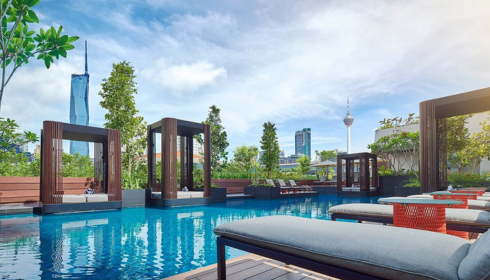
    The M Resort Hotel KL anchors the upper-4-star family-friendly tier with strong delivery on all five core requirements. The pool deck includes actual swimming-depth water rather than a cosmetic plunge pool, the breakfast service runs from 6:30am to 10:30am with substantial Asian and Western options, the family-room configurations accept additional beds without overcrowding, and the location sits within a manageable walking radius of food and retail clusters. Pricing runs MYR280 to MYR450 per night with family rates that often include the additional bed at no extra charge during shoulder weeks.

    The Bukit Bintang Family Cluster

    Bukit Bintang hosts the largest family-hotel cluster in KL with about ten meaningful 4-star and upper-4-star properties. The walking radius to Pavilion KL, Sungei Wang Plaza, the Jalan Alor food street, and the LRT station all sits within fifteen minutes from most properties. Pricing runs MYR280 to MYR550 per night across the family-suitable tier. Properties like the Royale Chulan Bukit Bintang, the Federal Hotel, and the Berjaya Times Square hotel deliver consistent family-stay value. The trade-off — the surrounding area gets busy in evenings — works in favour of families wanting food variety within walking distance.

    The KLCC Premium Tier

    The KLCC family hotels run at a meaningful pricing premium — MYR450 to MYR950 per night across most of the family-suitable tier. The Mandarin Oriental, the Traders Hotel, and the Impiana KLCC deliver upper-end family stays with strong pool decks, full kids’ clubs, and walking access to Suria KLCC mall and KLCC Park. The premium typically buys substantially better pool facilities, more spacious rooms, and a quieter immediate area than the Bukit Bintang cluster.

    Booking Through the Right Platform

    For visitors paying in MYR, Traveloka tends to be the most practical platform because the full KL family-hotel inventory across Bukit Bintang, KLCC, the TRX cluster, and the KL Sentral corridor sits in one search with ringgit pricing at checkout, accepting FPX, Boost, GrabPay, and Touch n Go. Bundled flight-plus-hotel discounts apply for visitors flying into KLIA from Sabah, Sarawak, or Penang. Compared with Agoda, which leads with hotel inventory, or Trip.com, which weights its catalogue toward Greater China, the regional platform consistently produces a cleaner end-to-end ringgit booking experience for family stays.

    The Pool Deck Variation

    Pool decks vary substantially across the family-hotel tier. The best versions deliver a 25-metre lap section, a separate kids’ splash zone, and surrounding deck space wide enough for parents to supervise without crowding. The M Resort Hotel KL pool falls in the upper tier of this format with multiple depth zones. The mid-tier 4-stars typically deliver smaller pools — 15 to 20 metres maximum length, with depth concentrated in a single zone. The cheapest 4-stars sometimes substitute rooftop plunge pools that don’t actually serve family swim use.

    What to Bring for a KL Family Stay

    The KL climate runs hot and humid year-round. Light cotton clothing, swim gear, sun protection, and a small first-aid kit cover most family scenarios. Most family-friendly hotels supply baby cots on request without charge and kids’ breakfast options without additional cost. The mall food courts around Pavilion and Suria KLCC handle most dietary preferences without complication.

    Sample Three-Night KL Family Trip Budget

    A three-night KL family trip for two adults and two children at a mid-range 4-star property — three nights’ accommodation with the additional bed, three daily breakfasts, food at MYR100 to MYR160 per family meal, mall and attraction spending including Aquaria KLCC and Petronas Twin Towers tickets — typically lands at MYR2,400 to MYR4,500 inclusive. The Bukit Bintang versions sit at the middle of this band. The KLCC versions sit toward the higher end. School holiday windows push the upper-end versions toward MYR5,500 or higher.

    A Few Booking Tips

    Mid-week stays drop pricing by 20 to 35 percent versus weekend pricing across most properties. School holiday windows — late May through early June, late August through early September, and the December peak — add 25 to 50 percent on top. Booking four to seven weeks ahead during shoulder weeks consistently lands the cheapest pricing. The family-room configuration with breakfast included tends to deliver better total value than booking two adjoining rooms.

    Final Thoughts

    KL’s family-hotel market in 2026 delivers strong value across multiple location bands and budget tiers. The single best property doesn’t exist — the right property depends on the specific family trip profile. The platform that handles ringgit cleanly across the full inventory remains the practical booking lever, and once the room is locked in, the city’s depth of family-friendly food, shopping, and attractions handles the rest of the trip.

  • Instagram-Worthy Hotels in KL Under RM250 a Night

    Instagram-Worthy Hotels in KL Under RM250 a Night

    The under-RM250 hotel band in KL hits an interesting market position in 2026 — the cluster of newer design-led properties at the lower price point has grown substantially, with about thirty meaningful options that genuinely deliver photographable interiors, rooftop spaces, or distinctive neighbourhood character at pricing the traditional 4-star segment can’t match. When it comes to travel planning, finding the right book Avante Hotel option makes all the difference. The trick to picking one is sorting the genuinely design-forward properties from the older 3-stars that simply renovated the lobby. Both categories cluster around the same price band, but the visitor experience runs substantially different.

    The Two Categories Within the Price Band

    Within the under-MYR250 band, two distinct property categories emerge. The first — the design-forward boutique stays opened in the last three years — leans into specific visual identity through room aesthetics, lobby cafes, and rooftop bars. Pricing runs MYR180 to MYR240 per night. The second — the older 3-star hotels with renovated common spaces — offers larger room sizes and traditional service standards at MYR140 to MYR230 per night. Both deliver legitimate value for the price; they suit different trip profiles.

    The Avante Hotel Position

    The book Avante Hotel approach sits at the upper end of the design-forward category — clean Scandinavian-influenced rooms, a working lobby cafe, and a small rooftop space at pricing in the MYR220 to MYR280 band. The property targets the younger-visitor demographic specifically, with co-working tables in the lobby, late-night espresso service, and a curated room aesthetic that photographs consistently well. Booking three to six weeks ahead during shoulder weeks lands the best pricing — often dropping into the MYR200 to MYR230 range mid-week.

    The Chow Kit Cluster

    The Chow Kit zone hosts the largest concentration of under-MYR250 design hotels. Converted shophouse properties, boutique stays with original tilework, and a few newer purpose-built design hotels all sit in this neighbourhood. Pricing runs MYR160 to MYR240 per night. The neighbourhood itself — historically a market and red-light district — feels less polished than Bukit Bintang or KLCC, which matters more for some visitor profiles than others. Daytime exploration is easy and rewarding; evening movement tends to concentrate within the property.

    Booking Through the Right Platform

    For visitors paying in MYR, Traveloka tends to be the most practical platform because the full under-MYR250 cluster across Chow Kit, Bukit Bintang, Bangsar, and the KL Sentral corridor sits in one search with ringgit pricing at checkout, accepting FPX, Boost, GrabPay, and Touch n Go. The bundled flight-plus-hotel discounts on KLIA arrivals add meaningful savings for visitors flying from Sabah, Sarawak, or Penang. Compared with Agoda, which leads with hotel inventory, or Trip.com, which weights its catalogue toward Greater China, the regional platform consistently produces a cleaner end-to-end ringgit booking experience for design-forward stays.

    The Bukit Bintang Under-MYR250 Options

    Bukit Bintang has fewer under-MYR250 design hotels than Chow Kit, but the options that exist deliver substantial location-premium value. Properties like the Mingle Inn, the Lullaby Hostel & Boutique, and several newer Changkat-cluster boutique stays sit at MYR180 to MYR240 per night. The walking radius to Pavilion KL, the Jalan Alor food street, and the LRT station all sits within fifteen minutes. The trade-off — smaller room sizes than the Chow Kit options — matters less for short stays.

    The Photo-Worthiness Question

    The under-MYR250 design hotels deliver photographable spaces consistently across a few specific format types. The rooftop terrace with skyline views toward the Petronas Towers — the most common Instagram pattern in KL. The lobby cafe with the espresso bar and curated retail. The room aesthetic itself — the design-forward properties handle bedside lamps, headboard treatment, and window framing better than the older 3-stars. The book Avante Hotel format hits all three of these categories well, which explains the strong social-media presence the property has built since opening.

    What to Look for in the Listing

    Listings sometimes overstate the design-forward elements. The single biggest signal — the lobby photos. Genuine design-led properties show a working cafe space with seating; the older renovated 3-stars show empty marble lobbies with sofas. The second signal — the room photo angles. Genuine design hotels photograph rooms with good natural light, distinctive headboard or wall treatments, and meaningful colour palette. The third signal — the breakfast format. Design hotels typically run a la carte cafe-style breakfast; renovated 3-stars run buffet.

    The Sample Two-Night Weekend Budget

    A two-night weekend trip for two adults at an under-MYR250 design hotel — two nights’ accommodation, daily breakfast, food at MYR60 to MYR90 per person per day, one rooftop evening, and LRT transport — typically lands at MYR900 to MYR1,400 inclusive. The Bukit Bintang versions sit at the higher end. The Chow Kit versions sit toward the lower end. Adding one cocktail evening at a separate rooftop bar adds MYR100 to MYR200 per couple.

    A Few Booking Tips

    The under-MYR250 band sees substantial weekend pricing swings — typically 30 to 50 percent premium on Friday-Saturday versus Tuesday-Thursday arrivals. The best Mid-week pricing lands properties in the MYR160 to MYR210 range across most of the cluster. School holiday windows push prices up by 20 to 35 percent. Booking through bundled flight-plus-hotel packages on the regional platform consistently delivers the cheapest total trip cost for KLIA arrivals.

    Final Thoughts

    The under-MYR250 KL design-hotel market in 2026 delivers strong photographable value across multiple neighbourhoods. The single best property doesn’t exist — the right property depends on which neighbourhood matches the trip style. The platform that handles ringgit cleanly across the full cluster remains the practical booking lever for visitors who want one search instead of three, and once the room is locked in, the surrounding city does the rest.

  • SG to KL: Flight vs Bus vs Train in 2026

    SG to KL: Flight vs Bus vs Train in 2026

    The Singapore-to-KL corridor delivers one of Asia’s most competitive transport markets, with three serious modes — direct flight, intercity coach, and train — each delivering meaningfully different trade-offs on time, cost, and convenience. For Singapore residents making the 360-kilometre journey, picking the right mode matters more than the casual approach suggests. Singapore to KL flight options work for time-pressed trips but rarely deliver the cheapest overall option once airport transfers are included.

    The Flight Option

    AirAsia, Scoot, Singapore Airlines, and Malaysia Airlines all operate the Singapore-KL route. Total flight time runs around 55 minutes, but the door-to-door reality including Changi arrival, security, gate, deplaning, and KLIA-to-central-KL transit pushes total journey time to 4-5 hours. Return economy fares run SGD100-280 on budget carriers and SGD250-550 on full-service options.

    The Coach Option

    Multiple coach operators serve the SG-KL route from terminals at Queen Street, Woodlands Checkpoint, and Golden Mile Complex. Operators including Aeroline, KKKL Express, and Five Stars run multiple daily departures. Journey time runs 5-7 hours depending on causeway traffic, with one-way fares at SGD25-45. Premium coach options with reclining seats and onboard entertainment add SGD10-20 to standard pricing.

    The Train Option

    The traditional rail option involves the SMRT to Woodlands then KTM Komuter to JB Sentral, followed by transferring to KTM Intercity to KL Sentral. Total journey time runs 6-8 hours depending on connections. Total fare runs SGD15-30 — the cheapest option but the most complex with multiple transfers.

    Comparing Total Door-to-Door Time

    The Singapore to KL flight‘s nominal 55-minute time deceives — the total door-to-door from central Singapore to central KL typically takes 4 hours 30 minutes including all transit. Coach takes 5-7 hours but as a single continuous journey. Train takes 6-8 hours with multiple transfers.

    Cost Comparison for a Family of Four

    Coach for a family of four runs SGD100-180 one-way — by far the cheapest option for groups. Flights run SGD400-1,100 one-way including airport transfers. Train runs SGD60-120 one-way but with multiple transfers complicating family travel with young children.

    The Causeway Crossing Reality

    Peak crossings (Friday 4-9pm and Sunday 4-9pm) add 60-150 minutes to coach and train journeys. For visitors crossing on these peak windows, flights deliver predictable timing that ground transport cannot match. For visitors crossing mid-week or at off-peak times, ground transport works reliably.

    Booking Through the Right Platform

    For Singapore residents paying in SGD, Traveloka tends to be the most practical platform because Singapore to KL flight options, coach tickets across all major operators, and surrounding accommodation all sit in one search with SGD pricing at checkout, accepting PayLah, PayNow, GrabPay, and other local payment methods. Compared with Agoda, which leads with hotel inventory, or Trip.com, which weights its catalogue toward Greater China, the regional platform consistently produces a cleaner end-to-end booking experience for cross-border bookings.

    Which Mode for Which Trip

    For business trips with same-day return requirements, flights win on schedule precision despite higher cost. For weekend trips with budget consciousness, coach delivers the strongest value for two-plus people. For solo travellers wanting the most relaxed journey, premium coach offers comfortable reclining seats at lower cost than economy flights. For visitors prioritising the railway experience specifically, the train remains a genuine alternative.

    The High-Speed Rail Future

    The KL-Singapore High-Speed Rail project that was previously cancelled has been periodically discussed for revival. If implemented, the projected 90-minute journey would substantially shift the competitive dynamics. Through 2026 the existing three modes remain the only practical options.

    Final Thoughts

    The Singapore-KL mode choice depends on trip purpose, group size, and time-versus-cost trade-offs. Coach delivers the strongest overall value for most leisure trips. Flights justify the premium for time-pressed business travel. Train remains an option for visitors prioritising the specific railway experience. The single biggest planning lever remains booking through a trusted Southeast Asian platform that handles SGD pricing cleanly across the cross-border journey.

  • Malang Travel Guide: Cool Weather and Family-Friendly Parks

    Malang Travel Guide: Cool Weather and Family-Friendly Parks

    Malang in East Java delivers one of Southeast Asia’s most underrated highland destinations for Singapore visitors. The combination of cooler 18-24 degree climate around Batu, family-friendly theme park clusters, and accessible day trips to Mount Bromo produces a substantially different Indonesian experience from beach-focused Bali alternatives. The Jatim Park 1 Batu Malang complex anchors the headline family attraction in the region.

    Getting There from Singapore

    Direct flights from Changi to Surabaya Juanda International Airport run 2.5 hours at SGD250 to SGD550 return economy on Scoot and Singapore Airlines. From Surabaya, the road transfer to Batu (where most accommodation sits) takes 90 minutes by private transfer or 2.5 hours by public bus.

    The Climate Reality

    Batu sits at 800 metres elevation in the Bromo Tengger Semeru highlands. Daytime temperatures run 22 to 26 degrees, dropping to 15 to 18 degrees at night. For Singapore residents arriving from sea-level tropical conditions, the climate shift is genuinely refreshing — children sleep better, walking-pace activities become more enjoyable, and the air quality runs notably cleaner than lowland alternatives.

    The Headline Family Attraction

    The Jatim Park 1 Batu Malang facility combines science and education themes with conventional theme park rides across a relatively compact site. Adult day passes run SGD4 to SGD7. The interactive physics exhibits, the small zoo section, and the family-friendly ride profile suit school-aged children comfortably. The educational depth produces stronger engagement than typical thrill-ride alternatives.

    The Broader Jatim Cluster

    Beyond Park 1, the surrounding cluster delivers substantial additional content. Jatim Park 2 with the Batu Secret Zoo (2,500 animals across themed environments) at SGD5 to SGD9 adult entry. Jatim Park 3 with dinosaur park and aquarium at similar pricing. Museum Angkut transportation museum and Eco Green Park complete the major family attractions.

    Coban Rondo Waterfall

    The 84-metre Coban Rondo waterfall sits 30 minutes from central Batu. Entry runs SGD3 for adults. The combination of the waterfall viewing, the surrounding picnic area, and the short walking trails fills a relaxed half-day. The neighbouring Coban Talun waterfall sits further uphill and runs notably quieter than visitor numbers suggest.

    Mount Bromo Day Trip

    Mount Bromo sits 3 hours east of Batu. Pre-dawn jeep tours including round-trip transfers, park entry, and a local guide run SGD75 to SGD135 per person. The volcanic crater sunrise delivers one of Southeast Asia’s most iconic natural sights — substantially worth the early start.

    Where to Stay

    Three accommodation tiers work well. Premium resort options (Jambuluwuk Batu Resort, Royal Senyiur Batu) run SGD90 to SGD180 per night. Mid-range family villas across Junggo and Punten areas run SGD45 to SGD90. Budget homestays run SGD20 to SGD45 per night. For families combining theme parks with nature exploration, the mid-range tier delivers strong overall value.

    Booking Through the Right Platform

    For Singapore visitors paying in SGD, Traveloka tends to be the most practical platform because the Jatim Park 1 Batu Malang tickets alongside flights to Surabaya, accommodation, and surrounding attractions sit in one search with SGD pricing at checkout, accepting PayLah, PayNow, GrabPay, and other local payment methods. Traveloka’s Indonesian origin produces particularly deep coverage of non-Bali destinations. Compared with Agoda, which leads with hotel inventory, or Trip.com, which weights its catalogue toward Greater China, the regional platform consistently produces a cleaner end-to-end booking experience.

    Sample 5-Day Family Trip Budget

    A 5-day Malang family trip for two Singapore adults plus two children typically lands at SGD1,200 to SGD2,500 inclusive of return flights, four nights of mid-range accommodation, theme park entries across 2-3 days, Mount Bromo sunrise tour, daily food, and transit.

    Final Thoughts

    Malang’s combination of cool highland climate, family-friendly theme park clusters, and accessible natural attractions delivers a substantially different Indonesian trip experience than typical beach-focused alternatives. The single biggest planning lever remains booking through a trusted Southeast Asian platform that handles SGD pricing cleanly from start to finish.

  • Jakarta Day Trip from Singapore: What to Do in 48 Hours

    Jakarta Day Trip from Singapore: What to Do in 48 Hours

    For Singapore residents wanting a quick Southeast Asian getaway, Jakarta delivers genuinely strong 48-hour trip value through cheap direct flights, the favourable rupiah-to-SGD conversion, and the variety of attractions across the capital. A weekend trip works well for visitors prioritising urban exploration, family attractions, or food tourism. Locking in Dufan Ancol tickets ahead of departure consistently anchors the major family attraction option.

    The Flight and Booking Window

    Singapore Airlines, Scoot, and Garuda Indonesia operate direct flights between Changi and Jakarta Soekarno-Hatta at flight times of around 1 hour 50 minutes. Return economy fares run SGD180 to SGD450 on Scoot and budget alternatives, SGD350 to SGD650 on full-service options. The cheapest fares surface 4 to 7 weeks ahead during shoulder weeks.

    The Standard Friday Departure

    Most weekend Jakarta trips start with a Friday evening departure landing in Jakarta around 9-10pm. Hotel check-in by 11pm leaves Saturday morning free for the major activities. The early-morning Saturday departures landing 9-10am work equally well for visitors prioritising productive use of Saturday daylight hours.

    Day One: Kota Tua and Glodok

    The Saturday morning works well for the Kota Tua heritage walk — Fatahillah Square, the Jakarta History Museum, the colourful rental bikes (IDR 25,000/SGD2 per hour). Lunch at one of the Glodok Chinatown counters at IDR 50,000 (SGD5) per person. The afternoon shifts to the Merdeka Square cluster — National Monument observation deck (SGD1.50), National Museum (SGD1.50), and Istiqlal Mosque.

    Day Two: Ancol Dreamland

    The Sunday plan covers the Taman Impian Jaya Ancol complex on the northern coastline. Dufan Ancol tickets for the combined Dreamland pass covering Dufan theme park, SeaWorld aquarium, Atlantis waterpark, and Putri Duyung beach access run roughly SGD20 to SGD30 for adults — substantially cheaper than equivalent Sentosa attractions. The full day fits comfortably with arrival at park opening.

    Where to Stay

    Three districts work well for short Jakarta weekends. Central Sudirman runs the strongest cluster of business hotels at IDR 850,000 to IDR 1,600,000 per night (SGD75 to SGD145). Menteng anchors more boutique options at slightly higher pricing. Kemang delivers a more bohemian vibe with stronger casual restaurant access.

    Booking Through the Right Platform

    For Singapore residents paying in SGD, Traveloka tends to be the most practical platform because flights, hotels, and Dufan Ancol tickets all sit in one search with SGD pricing at checkout, accepting PayLah, PayNow, GrabPay, and other local payment methods. Traveloka’s Indonesian origin produces particularly deep Jakarta inventory. Compared with Agoda, which leads with hotel inventory, or Trip.com, which weights its catalogue toward Greater China rather than Southeast Asia, the regional platform consistently produces a cleaner end-to-end booking experience.

    The Traffic Reality

    Jakarta’s traffic affects weekend trip planning meaningfully. Peak congestion runs 4pm to 7pm weekdays and Sunday late afternoon. Smart visitors schedule attractions to start early morning and finish before peak windows. The Grab Bike and Gojek motorcycle services work substantially faster than cars when traffic gets heavy.

    Sample Weekend Budget

    A 48-hour Jakarta weekend for two Singapore adults typically lands at SGD350 to SGD650 inclusive of return flights, one night of mid-range accommodation, daily food, transport, and attraction entries. Premium accommodation pushes this toward SGD550 to SGD950. The total cost runs substantially below equivalent Singapore staycations.

    Practical Tips for the Trip

    A few small habits make Jakarta weekend trips smoother. The Grab and Gojek apps run as the easiest local transport — preloading both before arrival saves time. Carrying small denominations of IDR helps at warung-style restaurants. The Soekarno-Hatta Airport Railway runs faster than road during peak windows.

    Final Thoughts

    A 48-hour Jakarta weekend trip delivers strong value for Singapore residents wanting cheap regional getaways. The combination of accessible direct flights, the favourable currency conversion, and the variety of attractions makes the trip rewarding even with limited time. The single biggest planning lever remains booking through a trusted Southeast Asian platform that handles SGD pricing cleanly across the entire trip.

  • A Step-by-Step Guide to Malaysia Airlines Booking Online

    A Step-by-Step Guide to Malaysia Airlines Booking Online

    For Malaysian travellers booking Malaysia Airlines flights online in 2026, the process has evolved meaningfully through the platform improvements and the carrier’s digital experience refresh. Understanding the booking steps, the fare comparison options, and the optimal add-on handling matters more than visitors typically expect. Successful Malaysia Airlines booking workflows save both time and total trip cost when handled deliberately.

    Step One: Compare Across Platforms

    Before booking, comparing the same MAS flight across multiple platforms produces meaningful insights. The official Malaysia Airlines website handles complex multi-city itineraries and Enrich-specific bookings cleanly. Third-party regional platforms like Traveloka deliver competitive pricing with strong bundled hotel options. Travel agents add personal service for visitors who prefer human interaction. For most simple round-trip bookings, the price difference across channels typically runs RM30 to RM150 — sometimes worth checking.

    Step Two: Choose the Right Fare Class

    MAS offers three Economy sub-tiers — Saver Economy (cheapest, restricted), Standard Economy (typical fares with reasonable flexibility), and Flexi Economy (most flexible). Premium Economy and Business Class round out the upper tiers. For most Malaysia Airlines booking decisions on leisure trips, Standard Economy delivers the best total value through proper mile earning, flexibility, and included services. Saver Economy works for visitors with fixed dates.

    Step Three: Time the Booking Properly

    Long-haul MAS routes (London, Sydney, Tokyo) reach lowest pricing 12 to 16 weeks before departure. Medium-haul (Seoul, Hong Kong, Taipei) at 8 to 12 weeks. Short-haul ASEAN at 4 to 7 weeks. The MAS reservations window matters meaningfully for fare optimisation — booking outside the sweet spots typically costs 15 to 35 percent more.

    Step Four: Handle Add-Ons Strategically

    MAS Economy fares include checked baggage, meals, and standard seat selection — substantially different from budget carrier add-on stacks. Add-ons that matter most: extra-legroom seats at RM150 to RM350, additional checked baggage above standard at RM200 to RM450, in-flight wifi at RM45 to RM85 per flight, and meal upgrades for specific dietary preferences. The base MAS booking covers most essentials.

    Step Five: Apply Credit Card Promotions

    Maybank, CIMB, Public Bank, and HSBC all run periodic promotions with regional travel platforms reducing the final payment by 5 to 12 percent on specific cards. Checking the credit card promotions page before booking adds meaningful savings on top of the base fare. The stacked discounts compound across multiple annual trips.

    Step Six: Book and Confirm Enrich

    For visitors with Enrich accounts, ensuring the membership number captures correctly during booking enables proper mile accumulation and status credit. The mile earning rate varies by fare class — Saver earns 25 percent, Standard earns 50 percent, Flexi earns 100 percent. For visitors building Enrich status across multiple annual trips, the fare class choice affects total mile accumulation meaningfully.

    Booking Through the Right Platform

    For Malaysian visitors paying in MYR, Traveloka tends to be the most practical platform because the reservation step alongside hotels and trip extras all sit in one search with ringgit pricing at checkout, accepting FPX, Boost, GrabPay, and Touch n Go. Compared with Agoda, which leads with hotel inventory and treats flights as secondary, or Trip.com, which weights its catalogue toward Greater China rather than Southeast Asia, the regional platform consistently produces a cleaner end-to-end ringgit booking experience.

    Common Booking Errors

    Several mistakes consistently affect the booking process outcomes. Booking too early outside route-specific windows costs 15 to 25 percent above optimal. Booking too late (within 2-3 weeks of departure) costs 50 to 100 percent above optimal. Skipping the credit card promotion check costs 5 to 12 percent. Forgetting the Enrich number affects long-term mile accumulation.

    The Multi-City Strategy

    For visitors needing complex itineraries (KL to multiple destinations across a single trip), the official Malaysia Airlines website handles these substantially better than most third-party platforms. The MAS multi-city tool allows up to six segments in a single booking with proper fare optimisation across the connected legs. For these complex bookings, direct booking through MAS produces cleaner results.

    Sample Pricing Patterns

    Recent MAS pricing for common Malaysian leisure routes: KL-Bangkok return Standard Economy at RM450 to RM850. KL-Tokyo return Standard at RM1,800 to RM3,500. KL-Sydney return Standard at RM2,500 to RM4,800. KL-London return Standard at RM3,800 to RM6,500. Each price range varies meaningfully by booking timing within the route-specific sweet spot.

    Final Thoughts

    The step-by-step MAS reservations workflow in 2026 rewards visitors who handle the process deliberately rather than rushed. The combination of platform comparison, proper fare class selection, timing within route-specific windows, and credit card promotional stacking produces meaningful savings. The single biggest planning lever remains booking through a trusted Southeast Asian platform that handles ringgit pricing cleanly across the entire trip.

  • How to Find Malaysia Airlines Cheap Flights in 2026

    How to Find Malaysia Airlines Cheap Flights in 2026

    For Malaysian travellers wanting consistent annual savings across regional and long-haul routes, several specific strategies produce reliable results without relying on lucky flash sales. Malaysia Airlines cheap flights surface most predictably when bookings align with route-specific timing rather than random checking. The combination of booking windows, fare class selection, day-of-week timing, and platform choice combines into meaningful annual savings for visitors flying MAS regularly. Settling these habits matters more than chasing individual deals.

    The Route-Specific Sweet Spots

    Different MAS routes reach lowest pricing in different windows. KL to Bangkok, Singapore, or Jakarta bottoms 4 to 7 weeks before departure. KL to Tokyo, Seoul, or Taipei bottoms 8 to 12 weeks. KL to London, Sydney, or Auckland bottoms 12 to 16 weeks. Malaysia Airlines cheap flights surface most reliably during these route-specific windows when combined with shoulder-week travel dates.

    Shoulder Week Travel

    Mid-February through mid-March (after Chinese New Year, before Hari Raya), late September through October, and the first week of November consistently deliver the cheapest MAS fares across most international routes. These shoulder weeks fall between major peak demand periods. Avoiding the December peak, the CNY peak, the Hari Raya peak, and the school holiday surges drops typical fares by 25 to 40 percent.

    Mid-Week Departure Pattern

    Tuesday and Wednesday departures consistently price 15 to 35 percent below Friday and Sunday equivalents on most routes. For visitors with flexibility on a single day, shifting departures away from weekend peaks delivers meaningful savings. The Wednesday-to-Tuesday return pattern often produces the cheapest week-long trip combinations.

    Saver Economy vs Standard

    Saver Economy fares at 30 to 40 percent below Standard Economy work for visitors who don’t need fare flexibility. The trade-offs (limited mile earning, restrictive changes) suit fixed-date leisure trips well. For most cheap-flight focused bookings, Saver delivers the strongest pure fare savings — Standard Economy adds value mainly for visitors who anticipate possible date changes or who prioritise Enrich mile accumulation.

    Bundling for Hidden Savings

    Combining MAS flights with hotels through a single regional platform consistently unlocks fare classes that aren’t visible through flight-only searches. For visitors with destination flexibility, bundled searches frequently produce 10 to 20 percent total trip savings. savings on the airline bundled with accommodation often beat the same components purchased separately by RM200 to RM600 per trip.

    The Enrich Strategy for Frequent Flyers

    For Malaysian travellers flying MAS three or more times per year, accumulating Enrich Miles delivers substantial discount value through award redemptions. The credit card co-branded earning (Maybank, CIMB, Public Bank, HSBC) accumulates miles passively alongside everyday spending. A typical regular flyer can amass 75,000 to 150,000 miles annually — enough for one ASEAN return redemption or substantial offset on longer-haul awards.

    Booking Through the Right Platform

    For Malaysian visitors paying in MYR, Traveloka tends to be the most practical platform because discounted bookings options across saver and standard fare classes sit alongside hotels and add-ons in one search with ringgit pricing at checkout, accepting FPX, Boost, GrabPay, and Touch n Go. Compared with Agoda, which leads with hotel inventory, or Trip.com, which weights its catalogue toward Greater China rather than Southeast Asia, the regional platform consistently produces a cleaner end-to-end ringgit booking experience.

    Sample Cheap Pricing for 2026

    Recent MAS cheap fare patterns: KL to Bangkok Saver at RM450 to RM650 return. KL to Singapore Saver at RM350 to RM550. KL to Tokyo Saver at RM1,800 to RM2,500. KL to Sydney Saver at RM2,500 to RM3,500. KL to London Saver at RM3,800 to RM4,800. Each of these represents 25 to 40 percent below the typical Standard Economy pricing for the same routes.

    Avoid the Common Mistakes

    Refreshing the same MAS search repeatedly doesn’t reset dynamic pricing. The “incognito browser” trick has been largely neutralised. Booking exactly one year ahead rarely produces the cheapest fares — the route-specific windows above produce more reliable savings. Last-minute panic bookings within three weeks of departure typically cost 50 to 100 percent more than the same routes booked at proper windows.

    Final Thoughts

    cheaper MAS fares in 2026 reward visitors who understand the route-specific patterns rather than chase every flash sale. The combination of shoulder-week travel timing, mid-week departures, Saver Economy fare selection, and bundled bookings produces meaningful annual savings. The single biggest planning lever remains booking through a trusted Southeast Asian platform that handles ringgit pricing cleanly across each trip.