

Good branding often comes down to details people notice without thinking about them. A clean logo on a shop window, lettering on a work van, or a well-placed graphic on a product can make a business feel established and easy to recognize. These details may seem small, but together they shape how customers see a company and whether they remember it later.
For businesses looking to improve their visual identity, graphics are not just decoration. They can communicate what a company does, show a little personality, and make everyday spaces more useful for marketing. The challenge is choosing a design that looks right and materials that can handle the conditions in which they will be used.
That balance matters whether the project involves a storefront, a company vehicle, a promotional display, or a set of product labels. A graphic should look appealing on day one, of course, but it should also continue to do its job after weeks or months of ordinary use.
Finding a Design That Fits the Brand
Before choosing colors or materials, it helps to decide what the graphic needs to accomplish. Is it meant to attract attention from passing traffic? Identify a business vehicle? Share a short promotion? Or make a product line easier to recognize? Each purpose calls for a slightly different approach.
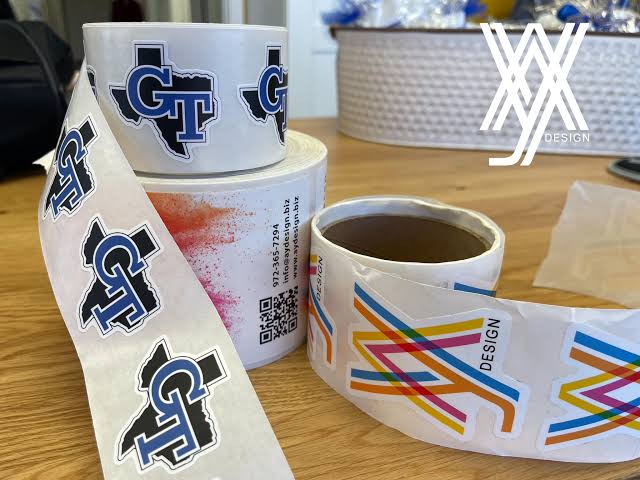
Well-designed custom decals give businesses room to communicate in a way that feels specific to their identity. A local café might use a friendly design on its front window, while a contractor could place clear company information on a van. A retailer may need small product graphics that match its packaging, whereas an event organizer might require temporary signage that can be installed and removed without much fuss.
The most effective designs usually have one clear focus. It is tempting to include every service, contact detail, slogan, and social media account, especially when a business has a lot to say. But people rarely stop to study a graphic in detail. A strong visual, a readable name, and a concise message can often do more than a crowded layout.
It is also worth thinking about where the graphic will be seen. A design intended for a shop window may need to work from both inside and outside, depending on how it is installed. A vehicle graphic must remain readable from a distance and account for curves, seams, handles, and other physical features. The setting should guide the design rather than being treated as an afterthought.
Understanding the Role of Vinyl
Vinyl is commonly used for graphics because it can be produced in different finishes, colors, and thicknesses. It may be suitable for window lettering, signs, product labels, wall graphics, and many vehicle applications. Still, not all vinyl is designed for the same job.
Choosing appropriate vinyl materials starts with understanding the surface and the environment. A graphic applied to a smooth indoor wall has different requirements from one exposed to direct sunlight, rain, road grime, or repeated handling. Some materials are intended for short-term promotions, while others are designed for longer use or more demanding conditions.
The surface itself matters, too. Glass, painted metal, plastic, and textured walls can behave differently when adhesive is applied. A material that works well on one surface may not adhere properly to another. Before production begins, it is sensible to confirm that the selected vinyl and adhesive are compatible with the intended application.
Finish is another consideration. Glossy vinyl can create a bright, polished appearance, while matte finishes may reduce glare and give a more understated look. Specialty finishes can add visual interest, but they should support the brand rather than distract from the message. The best option is the one that suits both the design and its real-world purpose.
Durability Depends on More Than the Material
A graphic’s lifespan is influenced by several factors. Sun exposure, temperature changes, moisture, cleaning products, surface preparation, and installation quality can all affect its appearance. Even a high-quality material may perform poorly if it is applied to a dirty or unsuitable surface.
Preparation is especially important. Dust, grease, wax, and moisture can interfere with adhesion. For that reason, installers generally need to clean and inspect the surface before applying the graphic. Painted surfaces should also be in suitable condition; peeling paint or damaged finishes may cause problems later.
Maintenance should be considered before the project is approved. A window graphic may need only occasional cleaning, while vehicle graphics can encounter road debris and frequent washing. Businesses should follow the material supplier’s care instructions rather than assuming every vinyl product can be cleaned in the same way.
If a graphic is placed in an area that experiences heavy wear, such as near a door handle or a frequently touched panel, that location may need a different material or design treatment. Sometimes a small adjustment to placement can extend the life of the finished work without changing the overall look.
Why Installation Quality Makes a Difference
A graphic can be designed perfectly and printed on suitable material, yet still look disappointing if installation is rushed. Uneven alignment, trapped air, wrinkles, lifting edges, and poorly positioned lettering can affect the final appearance. These issues may also make the graphic harder to maintain.
Professional installation is particularly useful for large graphics, vehicle wraps, complex windows, and surfaces with curves or recesses. Experienced installers understand how the material behaves as it is positioned and applied. They can also identify potential problems before the graphic is permanently fitted.
For smaller projects, businesses may be able to install simple decals themselves. Even then, instructions should be followed carefully. It is worth checking the recommended application temperature, surface preparation steps, and whether the material requires a particular method of installation.
A final inspection helps catch errors while they are still easy to address. Check that the graphic is straight, the text is readable, the edges are secure, and the colors match the approved design. For business graphics, also verify every phone number, website address, and other detail. A small typo can make an otherwise polished project look careless.
Checking Product Information and Certifications
Material descriptions can sometimes sound similar, so it is useful to look beyond broad claims such as “professional grade” or “long lasting.” Businesses should ask for technical data sheets, care instructions, warranty details, and information about the intended applications. These documents can help clarify what the material is designed to do.
When relevant, reviewing vinyl certifications can provide additional information about whether a product meets particular standards or requirements. The significance of a certification depends on the issuing organization, the standard involved, and the intended use. A certification should not be treated as a blanket guarantee that a product will suit every surface or environment.
For specialized settings, such as regulated facilities or projects with specific safety requirements, confirm the applicable standards before selecting materials. Ask suppliers to explain the documentation in practical terms, including any limitations or installation conditions. It is better to resolve these questions before ordering than to discover a mismatch after production.
Getting Better Value From Your Graphics
Cost matters, but the cheapest option is not always the most economical over time. A low-cost material may be suitable for a short promotion, while a permanent storefront sign or commercial vehicle may justify a more durable choice. The decision should reflect the expected lifespan, visibility, replacement cost, and conditions the graphic will face.
Requesting a detailed quote can make comparisons easier. Ask what the price includes, whether design adjustments are covered, which material will be used, and whether installation is part of the service. Clear answers help prevent surprises and allow businesses to compare providers on more than price alone.
A Better Graphic Begins With a Practical Plan
Successful graphics bring several things together: a clear message, a design that fits the brand, suitable materials, and careful installation. None of these elements can carry the entire project by itself. A beautiful design may fail on the wrong surface, while a durable material cannot rescue a layout that people struggle to read.
Taking time to plan the project usually pays off. Consider the viewing distance, environment, expected lifespan, and maintenance needs before making a final choice. With those details settled, it becomes much easier to create graphics that look professional and continue representing the business well long after installation day.