
Moving day can feel chaotic when everything happens at once. Furniture needs to leave the property, boxes need to be accounted for and the new home needs to be ready for delivery.
The easiest way to reduce that pressure is to prepare for the actual moving day, not just the packing process.
If you’re arranging professional help, Removalists in Sydney can assist with transporting your belongings and managing the physical aspects of the relocation.
What Should Be Ready Before the Truck Arrives?
The removal team should be able to start work without unnecessary obstacles.
Before the scheduled arrival time, make sure pathways are clear and loose belongings are packed.
Move personal items away from areas where furniture will be handled.
If possible, keep children and pets away from the main loading area. This creates a safer environment while large furniture is being moved.
Prepare an Entry and Exit Route
Think about the route your furniture will take from the room to the vehicle.
Remove:
- Small furniture
- Decorative objects
- Loose rugs
- Plants
- Toys
- Boxes blocking doorways
This is especially useful when moving large wardrobes, beds and sofas.
A clear route allows the moving team to work more efficiently.
Check Weather Conditions
Sydney weather can change throughout the year, so it’s worth checking the forecast before moving day.
If rain is expected, consider how outdoor areas and access paths can be managed.
Keep important documents, electronics and other sensitive belongings protected from moisture.
For very hot conditions, make sure you have drinking water available and keep essential personal items accessible.
Keep Your Keys Organised
A surprisingly common source of confusion during a move is managing keys.
Keep separate keys for:
- Current property
- New property
- Garage
- Storage areas
- Mailbox
- Security gates
Label them clearly so you don’t waste time trying to identify the correct key when you arrive.
Take Meter Readings Before Leaving
Before leaving your old property, record relevant utility meter readings where appropriate.
Take photographs for your own records.
You can also record the condition of important areas of the property before handing it over.
This creates a useful reference if you later need to confirm the property’s condition.
Prepare a Moving-Day Folder
Instead of searching through emails and paperwork, keep important moving information in one place.
Your folder can contain:
- Removalist details
- Moving schedule
- Property contact information
- Building access information
- Storage details
- Important phone numbers
- New property information
A digital copy can also be stored securely on your phone.
Moving Into an Apartment
Apartment moves require additional coordination.
If your building has a lift booking system, confirm the reservation before moving day.
Also check whether the building has:
- Loading restrictions
- Visitor parking rules
- Security gates
- Moving-hour limits
- Lift size restrictions
- Concierge requirements
Provide these details to your moving team in advance.
Moving Into a House
House moves can have their own challenges.
Check the driveway and access path for anything that could prevent the moving vehicle or team from reaching the entrance.
If there are steps, narrow gates or difficult corners, mention them when arranging your moving service.
What Should You Do With Food?
Avoid moving large quantities of perishable food unless there is a practical reason to do so.
Use up refrigerated and frozen items before moving day where possible.
For pantry goods, check that containers are sealed properly and pack them securely to prevent spills.
Managing Plants During a Move
Plants can be awkward to transport, especially larger ones.
Prepare them separately and make sure they can remain upright.
Protect pots from breaking and avoid placing heavy objects on top of them.
If you’re moving between different locations, check whether any restrictions apply to transporting particular plants.
Prepare Your Appliances
Appliances such as washing machines, refrigerators and dryers need preparation before transportation.
Remove loose contents and follow relevant manufacturer recommendations.
If an appliance requires specialist disconnection, arrange this before the removal team arrives.
This prevents delays during loading.
Create a Final Inspection Routine
Before leaving the old property, don’t rely on memory.
Walk through each area systematically.
Check:
Bedrooms: wardrobes, drawers and bedside areas.
Kitchen: cupboards, pantry, refrigerator and dishwasher.
Bathrooms: cabinets and storage areas.
Garage: tools, shelves and boxes.
Outdoor areas: sheds, balconies, patios and garden storage.
A structured inspection reduces the chance of leaving something behind.
What Should You Set Up First?
Once your belongings arrive at the new property, don’t try to unpack everything immediately.
Start with the areas you’ll need most.
Set up:
- Bedroom
- Bathroom
- Kitchen basics
- Children’s essentials
- Work area
- Remaining rooms
This gives you a functional home while you continue unpacking.
Keep an Inventory During Unloading
As boxes and major furniture arrive, check them against your inventory.
Don’t rush through the unloading process.
Confirm that major items have arrived and identify boxes according to their labels.
An organised unloading process makes the rest of the move much easier.
How Can Professional Movers Help?
Moving involves more physical work than many people expect.
Large furniture can be difficult to carry through stairs, narrow entrances and tight corners.
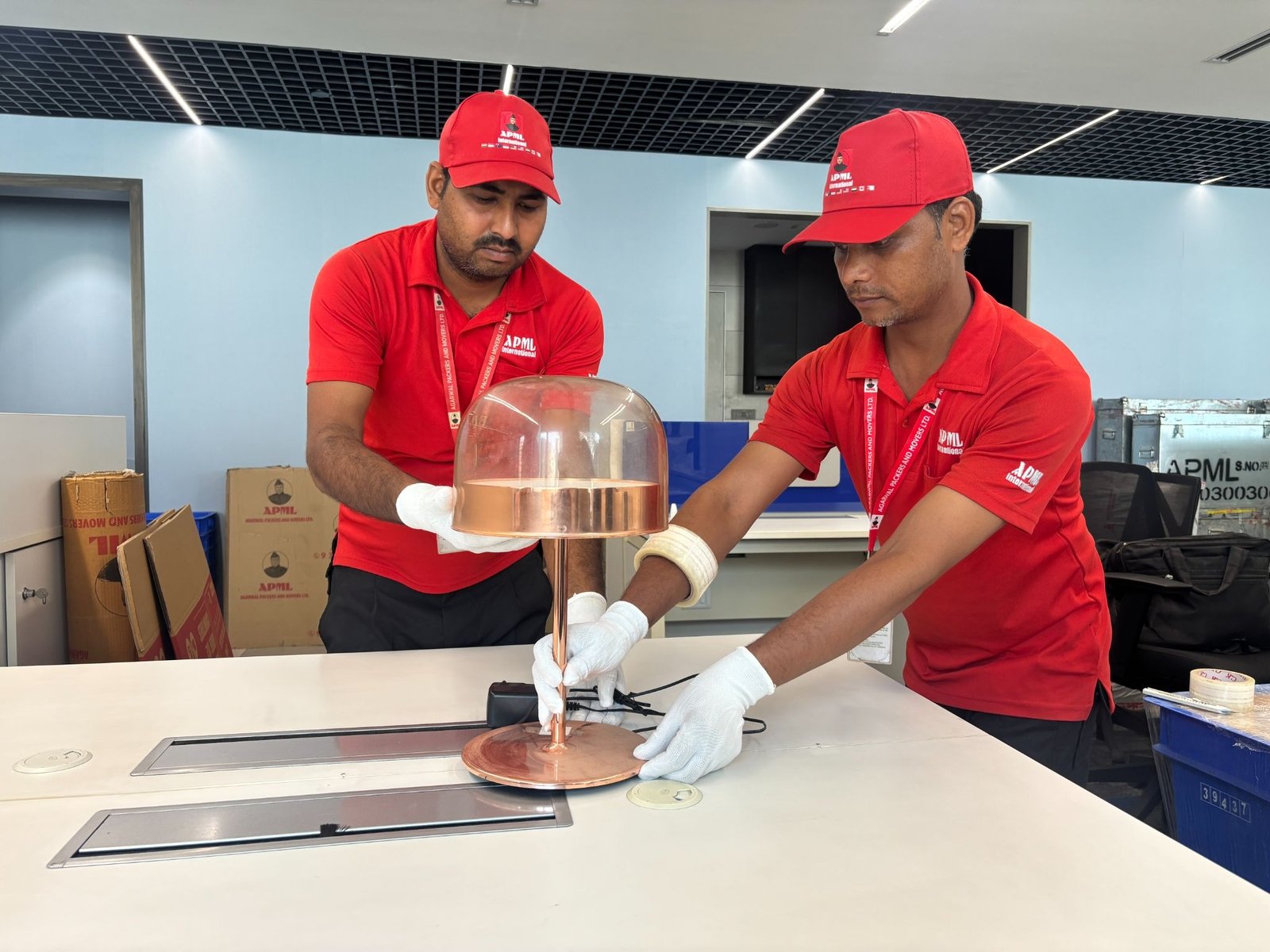
Professional movers can handle the physical loading and transportation requirements while you focus on property access, documents and settling into your new home.
When comparing services, make sure you understand exactly what is included in the quotation.
Frequently Asked Questions
What should I do on moving day in Sydney?
Keep essential belongings separate, clear access routes, confirm property access and have important documents and keys readily available.
How can I make loading faster?
Pack everything before the moving team arrives, clear pathways and keep loose belongings away from loading areas.
Should I stay at the property during loading?
It’s useful to remain available to answer questions and confirm which belongings are being transported.
What should I do before handing over my old property?
Complete a final inspection, check cupboards and storage areas, record relevant meter readings and make sure all required keys are handled appropriately.
How should I prepare an apartment for removalists?
Confirm lift access, loading zones, parking requirements and building rules. Share these details with the moving company beforehand.
Should I move plants myself?
Small plants may be easier to transport personally, while larger plants require additional preparation. Check any applicable transport requirements for your destination.
What should I unpack first after moving?
Start with the bedroom, bathroom and basic kitchen items. These areas provide the essentials you need during your first day.
Is an inventory useful for a house move?
Yes. An inventory provides a simple record of major belongings and can make it easier to organise and check your shipment.
A Better Moving Day Starts Before Moving Day
The most effective moving-day preparation happens in advance.
Clear access routes, organise your documents, prepare appliances, check property requirements and keep essential belongings separate.
These small steps can help the actual relocation run more smoothly.
If you’re planning a residential or commercial move in Sydney, you can learn more about Removalists in Sydney and available professional moving services.