
Water quality affects much more than what comes out of a drinking glass. It influences how clean your dishes feel, how your skin feels after a shower, how often you scrub bathroom fixtures, and how efficiently household appliances operate. Yet because water is part of everyday life, its problems are often overlooked until they become difficult to ignore.
White deposits around faucets, dry skin, unpleasant odors, cloudy glassware, and stains on laundry are common signs that your home’s water may need attention. These issues can be connected to hard water, sediment, chlorine, iron, or other substances found in the supply.
The good news is that homeowners have several options for improving water quality. The smartest choice, however, begins with understanding the problem instead of purchasing equipment based on guesswork.
Recognizing the Signs of Hard Water
Hard water contains elevated levels of minerals, particularly calcium and magnesium. These minerals are naturally present in many water sources and are not generally considered dangerous at ordinary household concentrations. Still, they can create ongoing maintenance problems.
When hard water is heated, minerals can form scale inside water heaters, pipes, dishwashers, washing machines, and coffee makers. Faucets and showerheads may develop a chalky coating, while shower glass can become cloudy. Soap may also struggle to lather properly, leaving behind residue that makes cleaning feel like a never-ending chore.
Some households notice that their skin feels tight or their hair seems dull after bathing. While individual experiences differ, hard water can certainly make personal-care routines less comfortable. If these signs appear repeatedly, testing the water is a sensible first step.
Understanding Water Softener Options
A water softener is designed primarily to reduce hardness minerals before they travel through a home’s plumbing. Traditional salt-based systems use ion exchange to replace calcium and magnesium with sodium or potassium ions. Other technologies are marketed as salt-free alternatives, although their performance and purpose can differ considerably.
Homeowners exploring water softener sales should look beyond the equipment’s price tag. The correct system should be sized according to household water usage, incoming water hardness, plumbing flow rate, and regeneration requirements. An undersized unit may struggle to keep up, while an oversized system may cost more than necessary.
It is also important to understand what a softener does not do. It is not a complete water purification system, and it may not remove chlorine, bacteria, sediment, or many dissolved contaminants. If several water concerns exist, additional treatment may be needed.
Why Professional Installation Matters
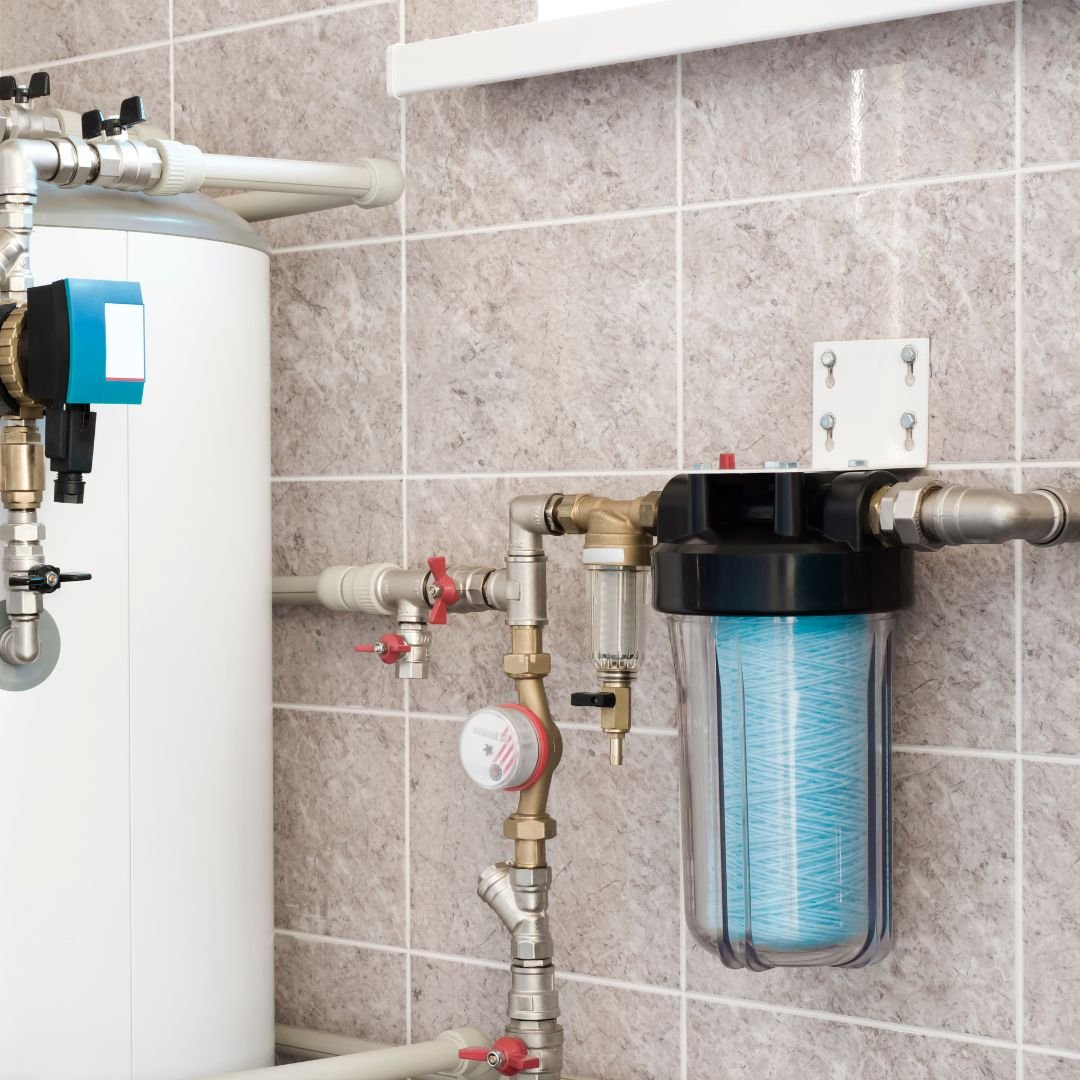
A water softener or filtration unit is not simply an appliance that can be placed anywhere near a pipe. It must be connected correctly to the main water line, drain, and, when necessary, an electrical supply. Incorrect installation can lead to leaks, poor water pressure, drainage problems, or reduced performance.
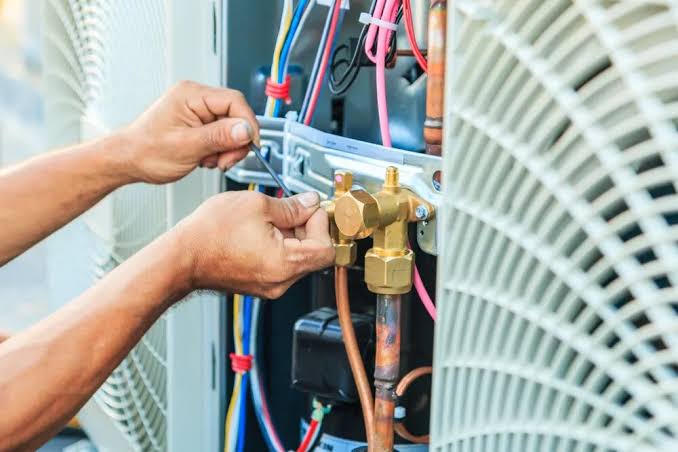
Professional installation & repair services can help ensure that the equipment is fitted properly and adjusted to the home’s requirements. A trained technician can also identify plumbing limitations, check water pressure, and explain how the system should operate.
Repairs are equally important. Over time, valves, seals, control heads, pumps, and other components may wear out. If the system begins making unusual noises, leaking, producing inconsistent results, or using excessive salt, it may need inspection rather than immediate replacement.
Choosing a provider that handles both installation and future repairs can make ownership less stressful. You won’t have to search for a new technician every time a problem appears.
The Value of Whole-Home Filtration
Softening and filtration serve different purposes. While a softener focuses mainly on hardness, a filter is selected to reduce specific unwanted substances from water. Depending on the design, filtration may improve taste, odor, clarity, or the overall quality of water used throughout the home.
For households concerned about chlorine, sediment, unpleasant smells, or certain contaminants, whole-home water filtration systems can provide treatment as water enters the property. This means filtered water may be available at showers, bathroom sinks, kitchen faucets, washing machines, and other outlets.
Whole-home filtration can be especially useful when the concern affects more than drinking water. For example, if sediment is entering the plumbing or chlorine odor is noticeable during showers, treating water at a single kitchen faucet may not address the full issue.
However, filtration systems vary widely. Carbon filters, sediment filters, reverse osmosis systems, and specialized media are designed for different purposes. Homeowners should confirm exactly what a system is rated to remove rather than relying on broad claims such as “purifies everything.”
Testing Helps You Avoid the Wrong Purchase
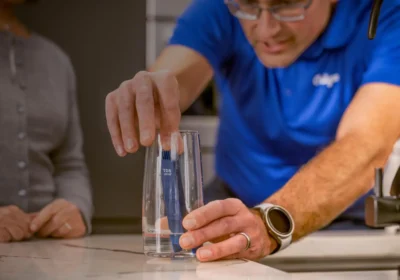
Water testing should ideally happen before equipment selection. A test can provide useful information about hardness, pH, chlorine, iron, manganese, total dissolved solids, and other characteristics. The right test depends on whether the property uses municipal water or a private well.
Testing is particularly valuable when the symptoms are unclear. White scale may suggest hardness, but staining could involve iron or manganese. A strange odor may be connected to chlorine, sulfur, organic matter, or plumbing conditions. Without testing, it is easy to choose a product that treats the wrong issue.
Basic testing can help identify common treatment needs, while suspected contamination or health-related concerns may require certified laboratory analysis. If you are unsure how to interpret results, ask a qualified water professional to explain them in plain language.
Maintenance Keeps Systems Working
Even a well-designed treatment system needs regular care. Water softeners require salt replenishment, cleaning, and occasional servicing. Filters must be replaced according to their capacity and the manufacturer’s instructions. Some systems also need pressure checks, media replacement, or periodic sanitation.
Ignoring maintenance can reduce performance and increase operating costs. A filter that is overdue for replacement may restrict water flow or stop reducing the substances it was designed to address. A neglected softener may use more salt or fail to regenerate properly.
Before purchasing equipment, ask about the maintenance schedule, replacement-part availability, service costs, and warranty terms. These details matter just as much as the initial installation price.
Choosing a System That Fits Your Home
The right water treatment setup should reflect your actual water conditions and daily needs. A small household with a drinking-water concern may need a point-of-use system, while a larger property with hard water throughout the plumbing may benefit from a whole-home softener. Some homes require both softening and filtration because they face more than one issue.
Avoid selecting equipment simply because it has the most features. More technology does not automatically mean better results. A properly sized, well-maintained system designed for the correct problem is usually more useful than an unnecessarily complicated setup.
Better water quality is ultimately about comfort, convenience, and long-term household protection. By testing your water, understanding the available technologies, and working with a dependable professional, you can choose a solution that improves daily life without turning water treatment into another source of frustration.