Water is easy to take for granted until something changes. A glass from the kitchen tap may suddenly taste metallic. A showerhead might develop chalky deposits. Laundry can come out feeling stiff, or a faint odor may make the family hesitate before filling a water bottle. In Saskatchewan, where households depend on different water sources and face a wide range of environmental conditions, understanding water quality is especially important.
Whether a home is located in a busy city neighborhood, a small town, or a remote rural area, clean and dependable water supports everyday life. However, the right approach to water treatment depends on the source, the plumbing, and the specific concerns affecting the property. A system that works well in one home may not be suitable for another. Good water care begins with information, not assumptions.
Saskatchewan Homes Can Have Different Water Challenges
Saskatchewan includes a mix of urban centers, smaller communities, farms, acreages, and rural properties. This variety means water-quality concerns can differ significantly from one location to another.
Homes connected to a public water supply may experience chlorine taste, sediment, aging plumbing concerns, or hard water. Rural properties and acreages using wells may deal with iron, manganese, sulfur odors, bacteria, nitrates, or naturally occurring minerals. Seasonal changes, flooding, agricultural activity, and groundwater conditions can also influence private water sources.
Even within the same region, two properties may have different water-quality results. One household might mainly need help with hardness, while another may require treatment for a specific contaminant. This is why broad claims about local water should be treated carefully. The most useful information comes from testing the water at the property itself.
Why Local Service Coverage Matters
When homeowners begin researching service areas, they often look beyond whether a company sells treatment equipment. They also want to know whether the provider understands local water conditions and can offer support after installation.
Water treatment is not always a one-time purchase. Filters need replacement, softeners may require servicing, and complex systems sometimes need adjustments when water quality or household usage changes. A provider that serves the area consistently may be better positioned to offer timely maintenance, replacement parts, and follow-up assistance.
Before choosing a company, homeowners should ask whether the provider serves their specific town, rural route, or acreage. It is also worth checking whether service visits, emergency repairs, and routine maintenance are available outside major urban centers. A system is more useful when professional support is accessible.
Urban Water Treatment Needs
Urban homes often receive water from a municipal treatment facility. Public water systems typically follow treatment and monitoring requirements, but that does not mean every household has identical water quality at the tap.
Water may travel through long distribution networks before reaching a home. Once inside the property, plumbing materials, water heaters, and fixtures can influence taste, odor, or discoloration. Some homeowners notice chlorine or chloramine taste, while others are more concerned about hard water and mineral buildup.
A point-of-use filter may be suitable for households that mainly want better-tasting drinking water. An under-sink reverse osmosis system can provide targeted treatment for certain dissolved substances, provided the equipment is selected according to verified water-quality concerns. A whole-house filter or softener may be more appropriate when the issue affects bathing, laundry, appliances, and plumbing throughout the home.
The right choice depends on testing and the household’s priorities rather than the size or price of the equipment.
Rural and Acreage Water Considerations
Rural properties often rely on private wells, which require more direct attention from homeowners. Unlike municipal systems, private wells are generally the responsibility of the property owner. The well, pump, pressure tank, plumbing, and treatment equipment all need to work together properly.
Well water may contain minerals picked up as groundwater moves through soil and rock. Hardness, iron, manganese, sulfur, sediment, and bacteria are common concerns in some areas. Water quality may also change after flooding, heavy rainfall, well repairs, or nearby land-use changes.
For households serving all of saskatchewan, providing practical support means understanding that rural properties may have different access challenges and water-treatment requirements. A home on an acreage may need a system that handles high sediment levels, variable flow rates, or specific well-water contaminants. It may also require equipment that can operate reliably in a utility room, basement, pump house, or other nonstandard location.
A professional assessment can help determine whether the issue involves treatment, well maintenance, plumbing, or a combination of factors.
Testing Should Guide the Treatment Plan
Water testing is the foundation of an effective treatment decision. Without testing, homeowners may purchase equipment that treats the wrong problem or fails to address the most important concern.
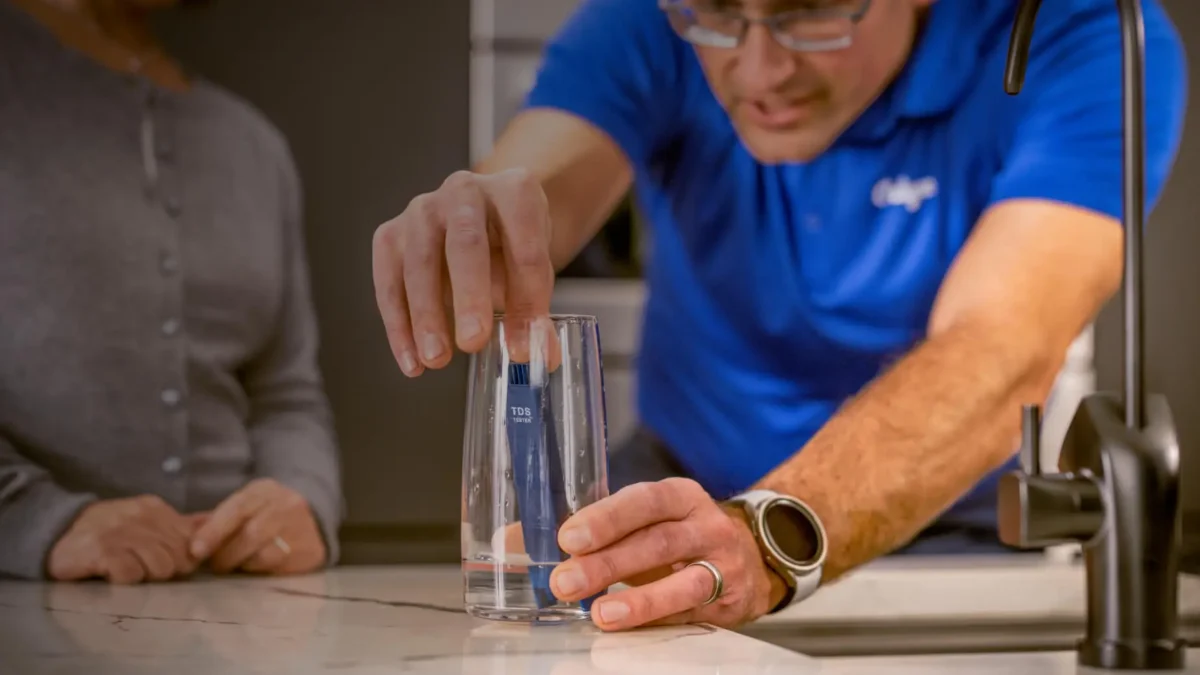
A basic analysis may include hardness, pH, iron, manganese, total dissolved solids, and other common indicators. Depending on the water source and local risks, testing for bacteria, nitrates, arsenic, lead, or other contaminants may also be appropriate.
Private well owners should consider testing at regular intervals and after events that could affect the water supply. A sudden change in taste, odor, color, or clarity should also be investigated. If contamination is suspected, homeowners should seek guidance from a qualified professional or relevant public-health authority rather than relying on a basic household filter.
A reputable provider should explain test results in straightforward language. Homeowners deserve to know what was found, what it means, and whether treatment is necessary.
Selecting Equipment for the Actual Problem
Different treatment systems serve different purposes. Sediment filters help reduce suspended particles such as dirt, sand, and rust. Carbon filters may improve taste and odor and reduce certain chemicals. Water softeners are designed to manage hardness minerals that cause scale and soap-related problems.
Reverse osmosis systems are often used for drinking-water treatment, while ultraviolet systems may be suitable for controlling microorganisms in certain water conditions. Iron and sulfur treatment systems can be used when specialized mineral or odor problems are confirmed.
The equipment should be sized according to household water demand. A system that cannot handle peak flow may reduce pressure or fail to deliver the expected performance. Homeowners should also ask about wastewater, salt use, filter replacement, energy requirements, and long-term operating costs.
The most expensive system is not automatically the most effective. The best option is the one that addresses the confirmed issue and fits the property.
Installation and Maintenance Should Not Be Overlooked
Correct installation is essential for reliable performance. Treatment equipment must be connected properly and placed where it can be inspected and maintained. Water pressure, pipe size, drainage, electrical access, and flow rate should all be considered.
Professional installers can also identify plumbing issues that may affect performance. For example, a treatment system cannot fully solve a problem caused by a damaged well casing, failing pressure tank, or corroded household plumbing.
Once installed, equipment needs regular care. Filters should be replaced according to the manufacturer’s instructions. Softener salt levels should be checked, and storage tanks, membranes, ultraviolet lamps, and valves may require periodic servicing. Keeping a maintenance schedule can help prevent reduced performance and unexpected repair costs.
Supporting Communities Across the Province
Saskatchewan’s geography means water-treatment providers may serve customers with very different needs. Urban families may be looking for better-tasting drinking water, while rural homeowners may need comprehensive well-water treatment. Farms, businesses, cottages, and acreage properties can each require different flow rates, equipment sizes, and service arrangements.
Providers working with urban and rural communities should focus on education as much as equipment sales. Homeowners benefit when professionals explain the problem, discuss realistic options, and provide transparent information about installation and maintenance.
A dependable service relationship is especially valuable for properties located far from major centers. Regular inspections, accessible replacement parts, and responsive technical support can make a major difference over the life of a water-treatment system.
Making a Confident Water Treatment Decision
Reliable water begins with understanding the source and identifying the actual concern. Whether a home is connected to a municipal supply or depends on a private well, testing can help replace guesswork with useful information.
From there, homeowners can choose treatment equipment based on water quality, household usage, budget, and maintenance expectations. Proper installation and ongoing service complete the process, helping the system perform as intended.
Water treatment is not simply about purchasing a filter. It is about creating a dependable approach to one of the most important resources in the home. With local knowledge, honest recommendations, and consistent care, Saskatchewan households can protect their plumbing, improve daily comfort, and feel more confident about the water they use every day.