
Water is one of those everyday essentials we rarely question until something seems off. Maybe the water from the kitchen tap has an unusual taste, a glass looks cloudy after filling, or you’re simply wondering what might be present in the water your family drinks. These concerns are reasonable. Clean-looking water is reassuring, but appearance alone doesn’t tell the whole story.
Understanding water quality starts with knowing where your water comes from, how it’s treated, and which substances may be present. From naturally occurring minerals to chemicals used during treatment, different factors can affect the water that reaches your home. The good news is that informed choices, appropriate testing, and suitable filtration can help you address specific concerns without making the process unnecessarily complicated.
Why Water Quality Deserves Attention
Water travels through a journey before it reaches your glass. Depending on the source, it may come from a river, reservoir, groundwater well, or another supply. Along the way, it can be treated to meet drinking water requirements and then travel through a distribution network or household plumbing.
Each stage can influence water quality. Naturally occurring minerals may affect hardness and taste, while treatment processes may leave substances that people notice even when the water meets applicable standards. Plumbing materials can also influence what eventually comes out of a tap.
For example, a household might receive treated municipal water that is safe to drink but has a noticeable disinfectant taste. Another home using a private well may have water that tastes pleasant yet needs testing for bacteria or naturally occurring contaminants. These situations are different, which is why a single solution rarely works for everyone.
Rather than assuming that every unusual taste signals danger, or that clear water must be safe, start by finding out what is actually present. Your local water supplier’s quality report can be a useful first reference. Private well owners should consider regular testing through a qualified laboratory.
Understanding Lead and Household Plumbing
One concern that deserves particular attention is lead, a toxic metal that can enter drinking water when water passes through certain plumbing materials, including older lead pipes, solder, or fixtures containing lead. The risk depends on the plumbing system, water chemistry, and other conditions within a property.
Lead is especially concerning because it cannot be reliably detected by looking at, smelling, or tasting water. Even water that seems completely normal may contain it. Exposure can be harmful, particularly for infants and children, and there is no known safe level of lead exposure in children.
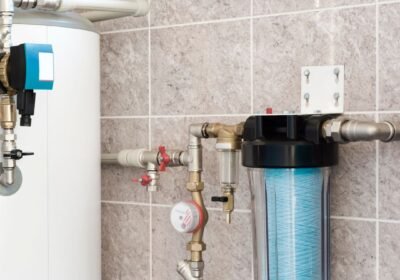
Older homes may deserve closer inspection, although the age of a building alone cannot confirm whether lead is present. Plumbing materials can vary, and renovations may have introduced different components over time. If you are concerned, contact your water supplier or a qualified plumbing professional to learn about your property’s potential risks.
Testing is an important step. Use a laboratory or testing service that follows appropriate sampling procedures, since the way a sample is collected can affect the results. If lead is detected, follow public health guidance about reducing exposure. Depending on the circumstances, this may involve replacing affected plumbing components and using a properly certified filter designed to reduce lead.
Simply boiling water will not remove lead. In fact, boiling can concentrate certain dissolved substances as water evaporates, so it isn’t an appropriate lead-removal method.
Chlorine and the Taste of Tap Water
Many public water systems use chlorine as a disinfectant to control harmful microorganisms. This treatment plays an important role in protecting public health, particularly as water moves through distribution pipes from a treatment facility to homes and businesses.
However, some people notice a swimming-pool-like smell or taste in their tap water. The intensity can vary depending on the treatment process, local water conditions, and the individual’s sensitivity to taste and smell. A noticeable chlorine odor does not automatically mean the water is unsafe, just as an absence of odor does not prove that every contaminant is absent.
If the taste bothers you, a suitable activated carbon filter may help reduce chlorine and improve the drinking experience. The filter must be designed for that purpose, and its performance depends on the specific product and how it is maintained.
It’s worth remembering that disinfectant residuals serve a purpose. Removing chlorine at the point of use may improve taste, but it doesn’t mean the original disinfection process was unnecessary. Choose a treatment method that addresses your concern while following the manufacturer’s instructions for filter replacement and safe storage of treated water.
If your tap water develops a sudden, unusual odor or appearance, contact your supplier or local water authority rather than assuming that a household filter will solve the problem.
What About Fluoride in Drinking Water?
Fluoride is another substance people often ask about when researching drinking water. It can occur naturally in groundwater, and some public water systems add it at controlled levels to help reduce tooth decay. Whether fluoride is present, and at what concentration, depends on the local water source and treatment practices.
Conversations about fluoride can become confusing because naturally occurring fluoride and intentionally adjusted concentrations are sometimes discussed as though they were the same situation. In practice, the actual concentration matters. Both public health guidance and local drinking water standards should inform decisions about water quality.
If you want to know how much fluoride is in your household supply, check the local water quality report or arrange appropriate testing, especially if you use a private well. Taste and appearance are not reliable ways to estimate fluoride concentration.
Some filtration technologies can reduce fluoride, but others may not. Reverse osmosis systems, for example, can reduce fluoride under suitable operating conditions, although actual performance depends on the equipment, membrane, water chemistry, and maintenance. Standard carbon filters should not automatically be assumed to remove it.
Before buying a system specifically for fluoride reduction, check the manufacturer’s verified performance claims and applicable independent certifications. That simple step can help you avoid paying for equipment that doesn’t meet your needs.
Choosing the Right Water Treatment Approach
Once you understand the concerns involved, choosing a treatment system becomes more straightforward. Different technologies address different problems, so the goal is to match the equipment to your water rather than searching for a filter that claims to remove everything.
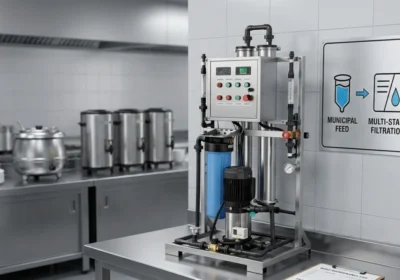
Activated carbon filters are commonly used to improve taste and reduce certain chemicals, including chlorine. Reverse osmosis systems can reduce many dissolved substances, depending on their design and performance. Other specialized filters may be appropriate for particular contaminants. A product’s effectiveness should always be checked against the substances you want to reduce.
Testing is especially valuable when the concern involves a health-related contaminant. It helps establish a baseline and can guide the choice of treatment. For homes with private wells, testing should also reflect local risks and be repeated as recommended by relevant authorities.
Maintenance is just as important as the initial purchase. Filters need replacement at the appropriate intervals, and systems may require sanitization or other servicing. An overdue cartridge can reduce performance, while poor installation may compromise the system’s operation.
Making Water Quality Part of Everyday Care
You don’t need to become a water treatment expert to make sensible decisions for your home. Start with a few practical steps: learn about your water source, review available quality reports, test when necessary, and choose equipment designed for your specific concern.
Be cautious of broad promises that a product removes every impurity or makes all water completely pure. Reliable manufacturers explain what their systems can reduce, how performance is measured, and when maintenance is required.
Water quality isn’t identical from one household to the next, and that is precisely why informed decisions matter. Whether your concern is plumbing-related contamination, the taste of disinfected water, or naturally occurring minerals, there are ways to investigate the issue and respond appropriately.
A little knowledge can go a long way. When you understand what’s in your water and how your chosen treatment works, filling a glass from the kitchen tap becomes less of a guessing game and more of an everyday routine you can feel confident about.