
Water is one of those everyday things most of us barely think about. We turn on the kitchen faucet, fill a glass, start the coffee maker, wash vegetables, run the dishwasher, and move on with the day. Unless the water smells strange or leaves an obvious stain, it’s easy to assume everything is fine.
But water quality isn’t always that simple.
Even clear-looking tap water can contain minerals, disinfectant byproducts, sediment, or other substances that affect its taste and the way it behaves around the house. In some homes, the first clue is cloudy glassware. Somewhere else, it might be a stubborn white crust around the showerhead or an odd chlorine-like smell when the faucet runs.
That doesn’t automatically mean the water is unsafe. It does mean it may be worth understanding what’s actually coming through the pipes.
Water Quality Can Change From One Home to the Next
Two houses in the same town can have surprisingly different experiences with their water. Municipal supply conditions matter, of course, but so do the plumbing, age of the property, local mineral levels, and even the distance water travels before reaching a particular home.
Well water introduces another set of variables. Groundwater chemistry can change naturally, and things like iron, manganese, hardness minerals, sulfur compounds, or sediment may become noticeable over time.
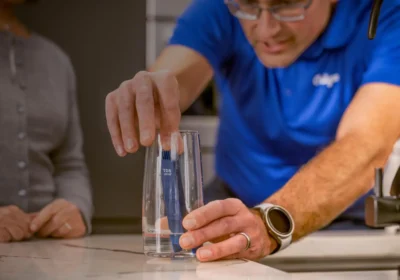
This is why choosing clean safe water solutions should ideally begin with information rather than assumptions. A water test can help identify what’s present and, just as importantly, what isn’t. That makes it much easier to decide whether treatment is necessary and what kind of system actually makes sense.
Without testing, homeowners can end up trying to solve the wrong problem.
The Little Signs Around the House Matter
Water often leaves clues.
White deposits around faucets and shower doors commonly point toward hard water. Orange or reddish staining may suggest iron. An unpleasant “rotten egg” odor can sometimes be associated with sulfur-related compounds, particularly in certain well-water situations.
Then there are less dramatic signs: laundry that never feels quite right, soap that doesn’t lather as expected, dry-looking glassware, or a coffee maker that seems to need descaling every few weeks.
Hard water, in particular, can be frustrating because it affects more than drinking water. Mineral buildup can accumulate inside plumbing fixtures and water-using appliances. Over time, that may mean more cleaning, more maintenance, and potentially shorter equipment life.
None of these clues should be treated as a diagnosis by themselves, though. They’re simply good reasons to investigate further.
Taste Is Part of Water Quality Too
There’s a practical side to improving water, but enjoyment matters as well.
People tend to drink more water when they actually like the way it tastes. And when tap water tastes fresh, buying case after case of bottled water suddenly feels less necessary. That can save money, reduce plastic waste, and remove one more bulky item from the weekly shopping list.
Getting great-tasting water may involve reducing chlorine taste or odor, filtering certain compounds, or addressing other characteristics discovered through testing. Activated carbon filtration is commonly used for taste and odor concerns, while other water conditions may require completely different treatment methods.
The important part is matching the solution to the problem instead of assuming one filter can fix everything.
A small refrigerator filter, for example, may improve drinking water at one dispenser but won’t address hardness throughout the house. Likewise, a water softener is designed primarily to handle hardness minerals; it isn’t automatically a replacement for every type of filtration system.
Whole-Home Treatment or Drinking-Water Filtration?
This is where homeowners sometimes get overwhelmed. There are softeners, carbon filters, sediment filters, reverse osmosis systems, specialty filters, and combinations of several technologies.
The right choice depends on what you want to accomplish.
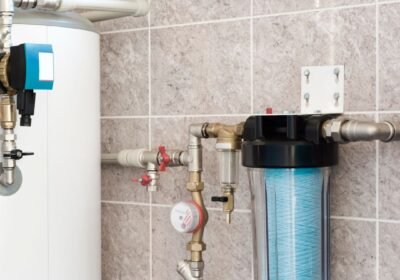
A whole-home system treats water before it reaches multiple fixtures. That can make sense when the concern affects bathing, laundry, plumbing, appliances, and cleaning as well as drinking.
Point-of-use filtration takes a narrower approach. A reverse osmosis system installed near the kitchen sink, for instance, is typically focused on water used for drinking and cooking.
Some households benefit from both approaches. A home with hard water might use a softener for the general water supply while relying on a separate drinking-water filtration system in the kitchen.
There really isn’t a universal setup that fits every property.
Why Proper System Selection Matters
Buying water equipment based purely on advertising can get expensive quickly. Bigger isn’t necessarily better, and adding more filtration stages doesn’t automatically produce a better result.
This is where genuine water treatment expertise becomes valuable. A knowledgeable professional can interpret testing results, consider household water consumption, inspect existing plumbing conditions, and recommend equipment sized for the actual demand of the property.
Sizing matters more than people sometimes realize. A system that’s poorly matched to household usage may regenerate too frequently, waste resources, create inconsistent performance, or simply fail to provide the improvement the homeowner expected.
Maintenance should be discussed upfront as well. Filters eventually need replacement. Salt-based softeners require attention to salt levels. Reverse osmosis systems have cartridges and membranes with service intervals. Knowing those responsibilities before installation prevents surprises later.
Better Water Should Make Everyday Life Easier
Good water treatment isn’t really about collecting equipment in a utility room. It’s about fixing specific annoyances and making daily routines a little easier.
Maybe that means fewer mineral spots on the shower glass. Maybe coffee tastes noticeably better. Perhaps towels feel different after washing, or the family stops hauling bottled water home every weekend. Sometimes the improvement is subtle, but you notice it because certain frustrations simply disappear.
The sensible place to begin is with testing and observation. Pay attention to taste, odor, staining, scale, and other changes around the home. Find out what the water actually contains before spending money trying to change it.
Once you know what you’re dealing with, water treatment becomes far less confusing. Instead of chasing a generic idea of “better water,” you can solve the problems that genuinely exist in your home—and leave the ones that don’t alone.